Hearing you might need your wisdom teeth out can be unsettling, but it’s a conversation we have every day at Newtown Dental. We’ve put this guide together for our Wellington community to walk you through what to expect, taking the mystery out of the process so you can feel confident and prepared.
Your Comprehensive Guide to Wisdom Teeth Extraction

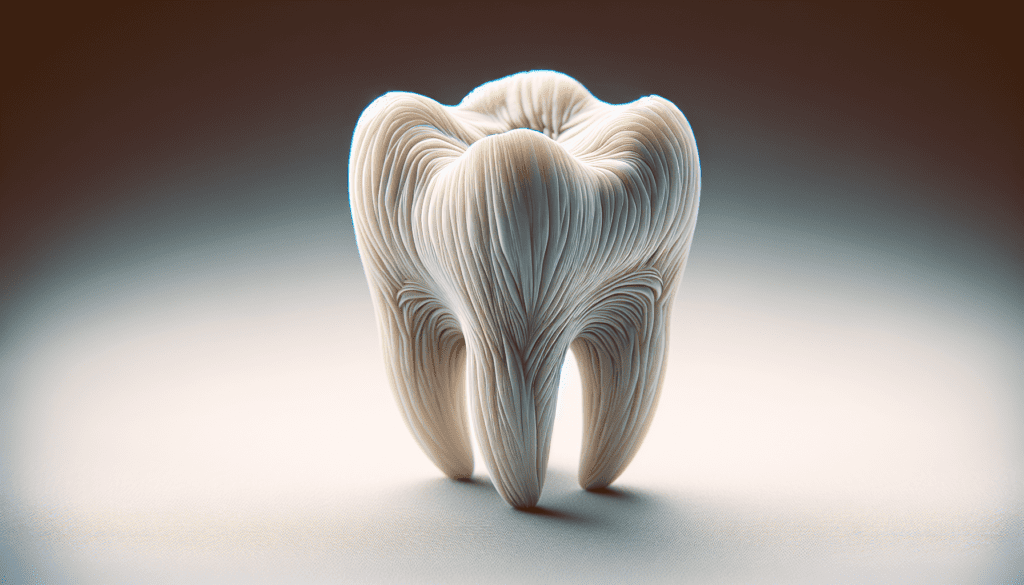
Think of your wisdom teeth, or "third molars," as the last guests to a party. They typically try to make an appearance between the ages of 17 and 25, but by then, there’s usually no room left for them. When they can’t find a proper spot, they can start causing problems.
This is exactly why wisdom teeth extraction has become such a common procedure for so many young Kiwis. While the idea of dental surgery can understandably cause some worry, knowing the reasons behind it and how it all works can make a world of difference. Our goal is to give you that clarity.
Why Do Wisdom Teeth Cause So Many Problems?
Your modern jaw is smaller than our ancestors' were, a result of evolutionary changes in our diet. Because of this, there often isn't enough space for this final set of molars to come through properly. Unlike your other molars, which are crucial for chewing, wisdom teeth don't really serve a purpose anymore.
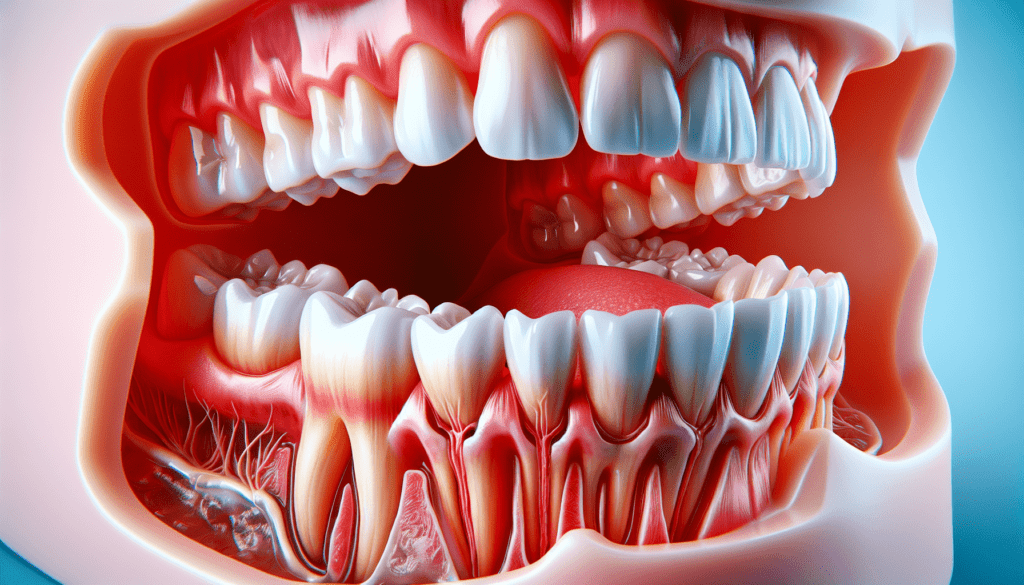
This is where the trouble starts. When a wisdom tooth is blocked and can't erupt normally, we call it 'impacted'. An impacted tooth is the most common reason for removal, as it can trigger a cascade of other dental issues.
For many people around Wellington, the first hint of a problem is a dull, persistent ache or a sharp pain right at the back of their jaw. That's your body telling you something needs a closer look.
Think of an impacted wisdom tooth like a badly parked car in a crowded carpark. It blocks others, can cause damage to the cars next to it, and creates a massive headache for everyone involved.
Guiding You Through the Process with Confidence
Here at Newtown Dental, we’ve found that the best way to ease any anxiety is with clear, honest information. We believe an informed patient is an empowered one, so we’re here to explain every part of the wisdom teeth journey. No jargon, just straight-forward advice.
We’ve broken this guide down to cover everything you need to know:
- Reading the Signs: Learn to spot the tell-tale symptoms—from jaw pain and stiffness to swollen gums—that mean it’s time to see a dentist.
- The Procedure Explained: We’ll give you a step-by-step look at what happens during an extraction and discuss the sedation options that keep you comfortable.
- Planning for a Smooth Recovery: Get our dentists' best week-by-week tips for healing quickly and avoiding complications.
- Understanding the Costs: We'll provide a clear breakdown of the costs and how insurance works for dental care here in New Zealand.
Let’s get started. First up, we’ll dive into the specific signs that your wisdom teeth might be the source of the problem.
Do I Need My Wisdom Teeth Removed?
That dull, nagging ache in the back of your jaw—is it just a passing annoyance, or is your body trying to tell you something important? While not everyone needs their wisdom teeth out, they have a reputation for a reason. When these late-arriving molars don't have enough room, your body has a way of letting you know.
For many people in Wellington, the first sign of trouble is a persistent pain that settles in right at the back of their mouth. This isn't just a random toothache; it's often the first clue that a wisdom tooth is impacted, meaning it’s stuck and can't grow in properly.
The Pain and Pressure of an Impacted Tooth
Picture a tooth trying to squeeze into a space that simply isn't there. That creates a huge amount of pressure on everything around it—your other teeth, the jawbone, and even the nearby nerves. This pressure isn't always contained, either. It can radiate outwards, causing a range of uncomfortable symptoms.
You might start to notice:
- Persistent Jaw Pain: A constant, throbbing ache that can feel deep in your jawbone, sometimes becoming quite severe.
- Stiffness and Difficulty Opening: Your jaw might feel tight or "locked," making it hard to open your mouth wide when you eat or talk. This is usually caused by inflammation spreading to the muscles.
- Headaches: The pressure from an impacted tooth can travel up to your temples, triggering tension headaches that just don't seem to go away.
This is more than just a minor inconvenience; it's a sign of a real physical struggle happening inside your jaw. In fact, over 65% of all dental impactions involve wisdom teeth, which is why it's such a common problem for young adults.
Pericoronitis: The Hidden Infection
Sometimes a wisdom tooth manages to break through the gum, but only partially. This creates a new set of problems, as a small flap of gum tissue is often left covering part of the tooth. This little flap, called an operculum, is the perfect hiding spot for food debris and bacteria.
Think of it as having a deep, uncleanable pocket in your gum. Bacteria absolutely thrive in this warm, sheltered environment, which quickly leads to a painful infection known as pericoronitis.
Pericoronitis is one of the most common reasons for an urgent wisdom tooth removal. The infection causes intense pain and swelling right at the site, and can even make swallowing difficult. It’s a definite red flag that the tooth is creating an unhealthy situation that won’t fix itself.
The signs of pericoronitis are pretty hard to ignore. You’ll likely see swollen, red gum tissue around the back tooth, experience a foul taste or bad breath, and may even notice pus seeping from the area. If you spot these symptoms, it’s vital to see a dentist right away before the infection has a chance to spread.
Symptom Checker: Is It Your Wisdom Teeth?
Trying to figure out the source of mouth pain can be tricky. This chart can help you connect your symptoms to what might be happening, but it’s no substitute for getting a proper diagnosis from a dental professional.
| Symptom You're Experiencing | What It Could Mean | Recommended Action |
|---|---|---|
| Dull, persistent ache in the back of the jaw. | An impacted wisdom tooth is putting pressure on nearby structures. | Schedule a dental check-up and X-ray. |
| Swollen, red, and tender gums behind your last molar. | You may have pericoronitis, an infection under a gum flap. | Seek an urgent dental appointment. |
| Unpleasant taste or persistent bad breath. | Bacteria are likely trapped around the wisdom tooth, causing infection. | Book a consultation for a professional cleaning and diagnosis. |
| Pain and difficulty chewing or opening your mouth. | Inflammation is affecting the muscles and joints of your jaw. | Contact your Wellington dentist for an assessment. |
Ultimately, listening to these warning signs is key. The only way to know for sure if a wisdom teeth extraction is the right move is to come in for a consultation. An X-ray gives us a clear picture of how your teeth are positioned and whether they’re already causing trouble—or are likely to in the future.
The Extraction Procedure From Start to Finish
It's completely normal to feel a bit anxious about getting your wisdom teeth out. We find that one of the best ways to ease those nerves is to simply walk you through the entire process, so there are no surprises. At Newtown Dental, we want you to feel informed and in control.
Your procedure really starts with that first consultation and X-ray. This gives us a crystal-clear picture of your wisdom teeth's position and helps us plan the extraction perfectly, tailored just for you.
Simple vs Surgical Wisdom Teeth Extraction
Wisdom tooth removals aren't a one-size-fits-all procedure. The right approach depends on one key thing: is your tooth fully erupted and visible, or is it impacted and stuck below the gum line?
A simple extraction is exactly what it sounds like—straightforward. It's for teeth that have already grown through the gums properly.
- The Process: Think of it like having any other tooth removed. After numbing the area completely, your dentist uses special tools to gently loosen the tooth and lift it out. It's a quick and routine procedure.
- Who It’s For: This is the go-to method when a wisdom tooth is fully visible, with no tricky root shapes or bone getting in the way.
- Recovery: Because it’s less invasive, the recovery is usually much faster, with minimal swelling and discomfort compared to a surgical removal.
A surgical extraction is needed for those troublesome impacted wisdom teeth, which is a very common scenario.
- The Process: This procedure requires a bit more finesse. The dentist or oral surgeon makes a small, precise incision in your gum to get to the tooth. In some cases, a tiny bit of bone covering the tooth might be removed, or the tooth itself might be divided into smaller pieces. This actually makes the removal gentler on the surrounding tissue.
- Who It’s For: This is the standard approach for any wisdom tooth that's partially or fully trapped under the gums and bone.
- Recovery: Healing naturally takes a little longer. You can expect some swelling and bruising, which is perfectly normal. We typically close the area with dissolvable stitches that disappear on their own.
Ensuring Your Complete Comfort with Sedation
Your comfort is our top priority from the moment you walk in. We know dental surgery can be daunting, so we offer sedation options to ensure the experience is calm and stress-free. First things first, we’ll always administer a powerful local anaesthetic to thoroughly numb the area, so you won’t feel any pain during the procedure.
For patients who need a little extra help to relax, we specialise in Intravenous (IV) Sedation. It’s an incredibly safe and effective way to put you in a state of deep, peaceful relaxation.
With IV sedation, you remain conscious enough to respond to your dentist, but you’ll feel completely at ease. Most people have little to no memory of the procedure afterwards, which turns a potentially stressful appointment into a non-event.
Our team monitors you closely the entire time, making sure you are safe and comfortable. If you're interested in this option, you can read more in our detailed guide on the benefits of IV sedation for tooth extractions.
This flowchart shows the typical path people take when they start noticing wisdom tooth troubles.

As you can see, ongoing pain or swelling are classic signs that it’s time to see your dentist for a proper look.
What Happens Step by Step
Once you’re fully numb and comfortably relaxed, the extraction can begin. While every patient is different, the procedure follows a clear, safe, and efficient sequence.
- Accessing the Tooth: For a surgical extraction, the surgeon will make a small, neat incision in the gum to expose the impacted tooth. This isn’t needed for a simple extraction.
- Removing the Tooth: If the tooth is blocked by bone, a small amount may be removed to create a path. To make the removal as gentle as possible, the tooth might be sectioned into smaller, more manageable pieces. This helps minimise pressure and protects your jaw.
- Cleaning the Area: After the tooth is out, we meticulously clean the empty socket to remove any debris and lower the risk of infection.
- Closing the Site: To finish, we close the gum tissue with dissolvable stitches that will fade away on their own in about a week or two—no need to come back to have them removed! We’ll place a piece of sterile gauze over the site to help stop the bleeding and kick-start the formation of a blood clot, which is the crucial first step in healing.
And with that, you’re all done. Our team will help you to a recovery area where you can rest for a bit as the sedation wears off. Before you head home, we’ll go over all the aftercare instructions you’ll need for a smooth recovery.
A Week-By-Week Guide to a Smooth Recovery

Once your wisdom teeth extraction is done, your body takes over and begins the important work of healing. How you care for yourself during this first week is just as vital as the procedure itself. Think of it as a dedicated time for rest and recovery, giving your body the best possible chance to heal quickly and without issues.
We've put together this timeline so you know exactly what to expect. Following this advice will help you feel more in control and get you back to normal that much faster.
The First 24 Hours: The Foundation of Healing
The first day is all about three things: managing swelling, controlling bleeding, and resting. The most important part of this whole process is the blood clot that forms in the empty tooth socket. Your number one job is to protect it.
Your best friends for day one are ice packs and the couch. Apply an ice pack to your cheek for 20 minutes on, 20 minutes off. This simple cycle works wonders to minimise the swelling that usually peaks around day two or three.
Here’s your game plan for the first day:
- Rest, rest, rest. No gym, no running around, no heavy lifting. Settle in on the couch with your head propped up on pillows to help keep swelling down.
- Keep the gauze in place. Bite down with firm, steady pressure on the gauze we gave you for at least the first hour. If you’re still bleeding after that, you can replace it, but try not to disturb the site.
- Stay ahead of the pain. Take your prescribed pain relief before the local anaesthetic wears off. Trust us, it makes a huge difference to your comfort levels.
It’s completely normal to see a little bit of blood or pinkish saliva. Just pop a towel over your pillowcase for the first night. Getting these first steps right sets you up for a much smoother recovery.
Days Two and Three: Managing Swelling and Discomfort
This is when swelling and discomfort tend to be at their peak. Your body is hard at work with its natural inflammatory response, so don’t be alarmed if your cheeks look a bit puffy—it’s temporary!
After the first 24-36 hours, the benefit of ice fades. Now is the time to switch to moist heat. A warm, damp face cloth held against your cheek can help soothe a stiff jaw and ease any tenderness.
Your diet and oral hygiene are critical during this phase. Stick to soft, cool foods that don't require any chewing. Think smoothies (but no straws!), yoghurt, lukewarm soups, and mashed potatoes.
CRITICAL RECOVERY RULE: Absolutely no spitting, smoking, or sipping through a straw. These actions create suction in your mouth that can dislodge that all-important blood clot, leading to a very painful complication called a 'dry socket'.
You can start gently rinsing on day two. Mix a teaspoon of salt into a glass of warm water, and don’t swish it around. Simply tilt your head from side to side and then let the water fall out of your mouth into the sink. This keeps things clean without risking any harm.
The First Week: Turning the Corner to Normalcy
By day four, you should really start to feel like you’ve turned a corner. The swelling and bruising will begin to fade, and any discomfort should be much more manageable. You can slowly reintroduce more solid foods, but listen to your body and avoid anything hard, crunchy, or spicy that could irritate the healing socket.
Continue your warm salt water rinses after every meal or snack to keep food particles out of the socket. You can brush your teeth, just be extremely gentle around the extraction sites for the first week or so.
Here’s a quick guide to what’s on the menu and what’s off-limits for the first week.
Recommended Soft Foods
- Smoothies and milkshakes (remember to use a spoon!)
- Yoghurt and ice cream
- Lukewarm soups and broths
- Mashed potato or kūmara
- Scrambled eggs
- Puddings and jellies
Foods and Habits to Avoid
- Using Straws: The suction is the main culprit behind a dry socket.
- Smoking or Vaping: This drastically slows healing and is a major risk factor for complications.
- Hard or Crunchy Foods: Nuts, seeds, chips, and popcorn can easily get stuck in the socket and cause infection.
- Spicy or Acidic Foods: These will sting and irritate the tender gum tissue.
- Vigorous Rinsing or Spitting: Let water gently fall from your mouth instead.
If your pain suddenly gets worse around day three or four instead of better, or you feel a throbbing pain that travels towards your ear, please contact us right away. These are classic signs of a dry socket, which needs to be looked at. For more in-depth information, you might find our article on recovery tips after wisdom teeth extraction helpful.
Navigating Costs and Insurance in New Zealand
We know that one of the first questions on your mind is about the cost. Talking openly about the financial side of wisdom teeth removal is important to us, as it helps you plan for the procedure without any last-minute surprises.
There isn't a single, fixed price for wisdom teeth extraction. The final cost really comes down to your unique clinical situation, and the complexity of the procedure is the biggest factor.
Factors That Influence Cost
Think of it this way: a simple extraction, where the tooth has already fully come through the gum, is more straightforward and will naturally cost less. A surgical extraction for an impacted tooth—one that's stuck under the gum line or in the jawbone—requires a more involved procedure and is therefore more expensive.
Other key factors that shape the total cost include:
- The Number of Teeth: The cost scales up with each additional tooth that needs to be removed.
- The Type of Anaesthesia: While local anaesthetic is standard, opting for IV sedation for greater comfort will add to the overall fee.
- Diagnostic Imaging: The initial X-rays or scans needed to map out the procedure are also factored into the cost.
At Newtown Dental, we give you a detailed, itemised quote right after your initial consultation. This ensures you have a crystal-clear understanding of the investment in your health before we begin any treatment.
Public Funding and Youth Services in New Zealand
For families in Wellington, it's worth knowing about the public funding available through Te Whatu Ora. A key government programme provides free basic dental care for adolescents from Year 9 right up until their 18th birthday. For many teens, this means a wisdom teeth assessment and even the removal could be covered if it's considered clinically necessary.
Once you turn 18, however, most adult dental care is not publicly funded. There are some exceptions for certain medical conditions or for low-income individuals who might qualify for a Work and Income (WINZ) dental grant, but the majority of adults will need to plan for private payment. You can read more about how we handle different payment situations in our guide on tooth extraction costs in New Zealand.
Private Insurance and Payment Options
If your private health insurance includes dental cover, it might pay for a portion of your wisdom teeth extraction. Policies can vary quite a lot, so your best bet is to call your provider directly. Be sure to ask about your level of cover, any waiting periods, and annual limits that might apply.
Our team at Newtown Dental is here to make this part easier. We can supply all the necessary documentation and treatment codes to help make your claims process as smooth as possible. We also offer flexible payment options to help you manage the cost.
While specific New Zealand data is hard to come by, it’s a well-known fact that most wisdom teeth extractions happen between the ages of 17 and 30. To get a better sense of why this is such a common rite of passage for young adults, you can check out these insights on wisdom teeth removal statistics.
Why Wellington Chooses Newtown Dental
When it comes to something as personal as wisdom teeth removal, you want to know you're in the best possible hands. It’s more than just a procedure; it’s about feeling safe, heard, and genuinely cared for. Here in Wellington, we've found that families keep coming back to us at Newtown Dental because we've built our entire practice on that very idea.
We get it—the thought of any dental surgery can be nerve-wracking. That’s why our whole team, from the front desk to the surgical suite, is focused on making your experience as calm and comfortable as we possibly can. It’s this simple, human approach that has made us a trusted part of the community.
Care Centred Around You
One of the biggest worries we hear from patients is about anxiety during the procedure. That’s why we’ve become experts in IV sedation. Honestly, it's a game-changer. It allows you to enter a state of deep, peaceful relaxation, and most people have little or no memory of the extraction afterwards. It turns a day you might be dreading into a non-event.
We also know that a throbbing wisdom tooth doesn't stick to a 9-to-5 schedule. Pain needs to be dealt with now. That's why we hold space for same-day emergency appointments. If you're in pain, you won't have to wait—we'll get you the urgent care you need.
At Newtown Dental, we see ourselves as your partners in health. Our goal is to blend top-tier surgical skill with the kind of compassionate support you'd expect from family.
A Team That Speaks Your Language
Wellington is a wonderful melting pot of cultures, and our team is a reflection of that. We believe feeling understood is a huge part of feeling comfortable, especially when you're talking about your health.
We’re proud to have a multilingual staff who can chat with you in:
- Arabic
- Mandarin
- Japanese
- Various Indian dialects
- Samoan
Making sure language is never a barrier to excellent care is incredibly important to us. Clear communication is the foundation of trust, and we work hard to maintain that trust both in our clinic and online. In fact, good dental reputation management is key to showing new patients that our commitment to clear, compassionate communication is real.
Your health and comfort are everything to us. We invite you to book a consultation to come and meet the team and experience the Newtown Dental difference for yourself.
Your Wisdom Teeth Questions, Answered
It’s completely normal to have questions swirling around before a dental procedure. We hear them every day from our Wellington patients, so we’ve put together some straightforward answers to the most common concerns about wisdom teeth.
Does Everyone Need Their Wisdom Teeth Removed?
That's a great question, and the answer is actually no. If your wisdom teeth come through straight, have plenty of room, and you can keep them clean, they can be a perfectly fine addition to your smile.
The reality, though, is that this doesn't happen for most people. More often than not, they get stuck under the gum (impacted) or grow in at an awkward angle, which can cause pain, crowding, or damage to the neighbouring teeth. An X-ray is the only way to see the full picture, giving us a clear look below the gumline so we can decide on the best plan together.
Will the Wisdom Teeth Extraction Be Painful?
We know this is a big worry for many people. Rest assured, you won't feel any pain during the actual extraction. We use a strong local anaesthetic to make sure the entire area is completely numb. If you’re feeling particularly nervous, we also provide IV sedation to help you feel deeply relaxed and at ease throughout the whole thing.
Afterwards, you can expect some soreness and swelling as your body begins to heal. This is usually most noticeable for the first 2-3 days but is very manageable with the pain relief medication we’ll provide and by following our aftercare instructions closely.
Modern dentistry is all about ensuring a pain-free experience. Between effective anaesthetics and sedation, the procedure itself should be comfortable. Any soreness afterwards is temporary and can be easily managed.
How Long Do I Need Off Work or School?
The amount of downtime you'll need really depends on how complex your extraction was.
- For simple extractions: Most people are back to their usual routine within 2-3 days.
- For surgical extractions: It's wise to plan for 3-5 days of proper rest. This gives the initial swelling a chance to subside and lets your body focus on healing. For more involved cases, taking up to a week off might be best.
What Is a Dry Socket and How Can I Avoid It?
A dry socket sounds scary, but it’s a preventable complication that we'll help you avoid. It happens when the natural blood clot—which acts like a protective seal over the extraction site—gets dislodged too soon. This leaves the bone and nerve endings underneath exposed, which can be quite painful.
The good news is that preventing it is simple. Just follow these golden rules for the first few days:
- Don’t smoke or vape, as the suction and chemicals interfere with healing.
- Avoid drinking through a straw.
- Try not to spit or swish liquids around forcefully.
- Stick to soft foods like smoothies, yoghurt, and soup.
Think of that blood clot as a natural bandage. Protecting it is the single most important job you have to ensure your recovery is as quick and comfortable as possible after a wisdom teeth extraction.
At Newtown Dental, our promise is to guide you through every step with clear, compassionate care. If you're in pain or just want to have your wisdom teeth checked out, book your consultation with us today.