Tag

Cosmetic Dentistry

Clear Braces Dental: Costs, Process & Options

By Uncategorized

If you’ve been thinking about straightening your teeth, there’s a good chance the hesitation is not about whether you want a better smile. It’s about whether you want everyone to notice the treatment first.

That is where clear braces dental options often make sense. They give many patients a way to improve alignment without the shiny look of traditional metal braces. For adults in meetings, teens in school photos, and anyone who wants a lower-profile treatment, that matters more than people expect.

Some patients also feel stuck between choices. They have heard of ceramic braces, clear aligners, Invisalign, SureSmile, and “invisible braces”, but they are not sure what each one means. That confusion is normal. Orthodontics uses a lot of overlapping language.

This guide breaks it down in plain English, with a practical Wellington lens. You’ll see what clear braces are, how they work, how they compare with other options, what daily life is like, and what questions to ask before you start. If you are also thinking more broadly about the look and balance of your smile, this overview of a smile makeover combining treatments for stunning results can help place orthodontics in the bigger picture.

Your Discreet Path to a Confident Smile

A lot of people live with the same quiet habits. Smiling with lips closed. Tilting the head in photos. Covering the mouth when laughing. Avoiding treatment because metal braces feel too visible.

Clear braces can change that equation.

Why many patients look for a less visible option

Clear ceramic braces are designed to move teeth in much the same way as traditional braces, but with brackets that blend more closely with natural tooth colour. Think of them as the same method of controlled tooth movement, presented in a subtler package.

That makes them appealing for people who want the reliability of fixed braces but do not want the appearance of metal across the front teeth.

Common reasons patients ask about them include:

  • Work confidence: They want straighter teeth without drawing attention during meetings, interviews, or customer-facing roles.
  • Social comfort: Weddings, family events, and photos can feel easier with a more discreet appliance.
  • Predictability: Some people like that fixed braces stay on the teeth and keep working all day.
  • A middle ground: They want something less visible than metal, but they are not sure removable aligners suit their routine.

What clear braces can help with

Clear braces are commonly used to treat issues such as crowding, gaps, and bite concerns. In day-to-day terms, that might mean front teeth that overlap, spaces that catch your eye in photos, or a bite that feels off when chewing.

Tip: If you feel unsure whether your problem is “cosmetic” or “functional”, bring that question to a consultation. Many alignment concerns affect both appearance and oral health.

For many Wellington patients, the biggest relief is learning that there is not just one path to a straighter smile. You do not have to choose between doing nothing and wearing obvious metal braces. Many patients are not aware of the range of options available.

Understanding Clear Ceramic Braces

The phrase clear braces dental usually refers to clear ceramic braces. These are not removable trays. They are fixed braces attached to the teeth, but the brackets are made to look much less noticeable than metal ones.

A close-up view of a person smiling, showing their teeth with clear ceramic dental braces attached.

What they are made from

Most clear ceramic braces are made from polycrystalline alumina. That sounds technical, but the practical takeaway is simple. This is a strong ceramic material chosen because it can handle orthodontic forces while still blending with the teeth.

Research summarised in this explanation of what clear braces are made of notes that clear braces made from polycrystalline alumina have a compressive strength of around 400 to 500 MPa, which is higher than tooth enamel. That strength helps them withstand the forces needed to move teeth. The same source also notes that their design can sometimes extend treatment by 2 to 4 months compared with metal braces.

A simple analogy helps here. If metal braces are like a standard tool made for visibility and toughness, ceramic braces use a similar working system but with a tooth-coloured outer shell.

How they move teeth

Ceramic braces use the same core mechanics as metal braces:

  • Brackets are bonded to the teeth.
  • An archwire runs through the brackets.
  • The wire applies gentle, steady pressure.
  • Over time, the bone around the teeth remodels, allowing the teeth to shift.

This process is gradual by design. Teeth do not slide instantly into place. They move in controlled stages.

Clear braces are not the same as clear aligners

Many patients confuse these options.

Clear ceramic braces stay fixed to the teeth.
Clear aligners are removable plastic trays.

They may both look discreet, but the experience is different.

Here is the easiest way to separate them:

ApplianceHow it looksHow it worksRemoval
Clear ceramic bracesTooth-coloured brackets with wireFixed pressure through brackets and wireNot removable by the patient
Clear alignersTransparent trays covering the teethSeries of trays changed over timeRemovable

If you’ve been searching online and seeing terms used loosely, that is why the options can feel blurred. A page about ceramic teeth braces can help if you want a closer look at the fixed-braces side of the picture.

Why the distinction matters

The best appliance is not always the least visible one. It depends on your bite, tooth movement needs, habits, and how much you want treatment to rely on daily self-discipline.

Key takeaway: Clear ceramic braces offer the discreet appearance many people want, but they still behave like braces. That can be a strength if you want a treatment that stays on and keeps working around the clock.

Your Clear Braces Journey at Newtown Dental

Starting orthodontic treatment feels less intimidating when you know what the appointments are likely to involve. Most anxiety comes from the unknown, not the treatment itself.

A dentist shows a digital 3D model of teeth to a patient sitting in a dental chair.

The first visit

The first step is usually a check-up and orthodontic assessment. At Newtown Dental, new patients can begin with a $100 full check-up that includes X-rays and a polish, which gives a useful starting point before deciding on treatment.

At this visit, the dentist looks at more than whether teeth are crooked. They also assess your bite, gum health, existing fillings or crowns, and whether there are any concerns that should be handled before braces go on.

For many patients, this appointment is also where the fog lifts. You stop guessing and start seeing your options in concrete terms.

Digital planning makes the process easier to understand

Modern orthodontic planning often uses digital scans instead of relying only on old-style impressions. A scan creates a 3D model of your teeth, which makes it easier to explain what is happening and where the teeth need to move.

That matters because orthodontics is not just about lining up the visible edges of the teeth. The roots and surrounding bone matter too.

An emerging trend in New Zealand orthodontics is the use of AI tools for predicting root and bone movement. A review of this field notes that about 12% of NZ practices had adopted these tools as of 2026, and clinical trials showed they could improve treatment success for malocclusions by up to 22% in suitable cases, as discussed in this review on AI in aligner and orthodontic planning.

That does not mean software replaces clinical judgement. It means planning can become more precise.

Getting the braces fitted

The bonding appointment is the day the braces go on.

Patients often expect this visit to be painful. Usually, it is more fiddly than painful. The teeth are cleaned and dried, the brackets are bonded into place, and the wire is fitted. You may feel pressure or awkwardness from keeping your mouth open, but the teeth themselves are not being drilled.

Afterwards, the braces feel unfamiliar. Patients describe the first few days as tight rather than sharp. Soft foods help while your mouth adjusts.

A few practical tips for those early days:

  • Choose gentler foods: Yoghurt, soup, eggs, pasta, and smoothies are usually easier at first.
  • Expect rubbing: Cheeks and lips need a little time to toughen up.
  • Keep pain relief simple: If you normally take over-the-counter pain relief safely, many patients find that enough for the first adjustment period.

Tip: Orthodontic discomfort often peaks soon after a new wire or adjustment, then settles. The feeling is a sign that controlled movement has started.

Review visits and progress checks

Clear braces are not a one-appointment treatment. Progress needs to be checked and the system adjusted over time.

At review visits, the dentist may change the wire, adjust the mechanics, or check whether any bracket needs attention. These appointments are usually much shorter than the fitting visit.

This stage is where patience matters. Tooth movement is a series of small gains. A front tooth that looked stubborn one month may suddenly look noticeably straighter a few visits later.

Comfort matters more than many people realise

Some patients delay braces because they are nervous about dental treatment generally, not the braces themselves. That is a real barrier, and it deserves proper support.

At a clinic level, comfort measures like calm communication, step-by-step explanations, and IV sedation availability for anxious patients or more complex dental care can make treatment feel manageable rather than overwhelming. The practical effect is simple. When patients feel safe, they are more likely to attend regularly and stay engaged with treatment.

The day the braces come off

Debonding day is one of the most satisfying appointments in dentistry.

The brackets are removed, the adhesive is cleaned off, and the teeth are polished. Patients often expect this to hurt. Usually it feels odd and a bit crunchy rather than painful.

Then comes the part people do not always think about at the start. Retention. Once teeth have been moved, retainers help keep them there. Without retention, teeth can drift.

What the whole journey feels like in real life

The day-to-day experience is often more ordinary than people imagine. You go to work, go to school, eat with a few more rules, clean your teeth more carefully, and attend review visits. The braces become part of life rather than taking over life.

That is usually the biggest surprise. What felt like a major leap at the start settles into a routine.

Weighing the Benefits and Drawbacks

Choosing clear ceramic braces is a bit like choosing a car for the way you live. Some patients want the least noticeable option when they smile at work or in photos. Others care more about keeping costs down, or want something simpler to clean. Clear braces can be an excellent middle ground, but they work best when the choice matches your day-to-day priorities.

Where clear braces shine

Their clearest advantage is right in the name. They are less noticeable than metal braces because the brackets are designed to blend in with the natural colour of your teeth.

For many adults and older teens, that matters more than they expected. Feeling less self-conscious during treatment often makes it easier to commit to finally straightening teeth they have been putting off for years.

Clear braces also appeal to patients who like the reliability of a fixed appliance. You do not need to remove them for meals or remember to put trays back in afterward. Once they are on, they are working all the time, which can feel reassuring if you have a busy schedule or know that removable aligners may not suit your routine.

The trade-offs to know before you commit

Every orthodontic option asks for something in return. With clear braces, the usual trade-off is that you gain a more discreet look, but you may need to be a little more careful with cleaning and daily habits.

Ceramic brackets can feel slightly bulkier than metal ones at first. That does not mean they are uncomfortable for everyone, but some patients notice their lips and cheeks need a bit longer to settle.

Appearance can also change between adjustment visits. The bracket itself is made to stay tooth-coloured, but the small elastic ties used in some cases can pick up colour from coffee, tea, curry, or red wine. It is similar to wearing a white shirt. The shirt itself is fine, but it shows marks more easily.

Key takeaway: Clear braces usually offer a nicer appearance than metal braces, but they reward patients who are consistent with cleaning and mindful about staining foods and drinks.

Standard ceramic versus sapphire options

Not all clear braces look exactly the same. Within this category, there are standard ceramic options and more premium materials, including sapphire-style brackets.

Sapphire braces are chosen mainly for appearance. They tend to look more transparent, which can make them harder to notice at conversational distance. Some patients love that extra subtlety. Others look at the added cost and decide standard ceramic gives them what they need.

At Newtown Dental, that choice is usually discussed in a practical way. What matters is not the most polished-sounding material name. What matters is how visible you want the braces to be, how complex your tooth movement is, and what fits your budget comfortably.

OptionMain strengthMain consideration
Standard ceramic bracesDiscreet appearance with fixed controlCan be slightly bulkier and may show staining around ties
Sapphire clear bracesMore transparent appearancePremium choice and not necessary for every case

Who often likes clear braces most

Clear braces often suit people who want a low-profile treatment and prefer a fixed system that keeps working without relying on memory or routine.

They are often less appealing for patients whose main goal is the simplest possible cleaning routine, or for those focused on the lowest-cost option. In those cases, another treatment may feel like a better fit.

The best choice is the one that best matches your priorities. That is why the conversation at Newtown Dental is not only about what looks good in theory. It is about what will feel manageable in your mouth, in your schedule, and in real life here in Wellington, with support that includes seven-day appointments, multilingual communication, and other options if a different treatment, such as SureSmile, turns out to suit you better.

How Clear Braces Compare to Other Options

When patients compare orthodontic options, they are usually balancing five things at once. Appearance, comfort, complexity of correction, cleaning, and cost.

Infographic

Orthodontic Treatment Comparison

FeatureClear Ceramic BracesTraditional Metal BracesClear Aligners (e.g., SureSmile)
AppearanceLess visible than metal because brackets are tooth-colouredMost visible optionMost discreet option for many patients
Effectiveness for complex casesOften suitable for a wide range of correctionsStrong choice for many complex casesOften best for mild to moderate cases
ComfortFixed appliance, may rub cheeks at firstFixed appliance, also noticeable in the mouthOften smoother feel because there are no brackets or wires
Care and maintenanceRequires careful brushing around brackets and wiresSimilar cleaning demands to ceramic bracesRemoved for brushing and eating, but must be worn consistently
Food restrictionsYesYesFewer restrictions while eating because trays are removed
Patient discipline neededLower, because braces stay onLower, because braces stay onHigher, because success depends on wearing them as directed

Clear braces versus metal braces

If your main question is whether ceramic braces are “just as real” as metal braces, the answer is yes. They are true braces, not a lighter version of braces.

Metal braces are usually the most visible option, but they are durable and familiar. Clear ceramic braces offer a more discreet look, while keeping the fixed-braces format many clinicians and patients trust.

In simple terms:

  • Choose metal braces if visibility bothers you less than practicality.
  • Choose clear ceramic braces if you want braces to be less obvious without switching to a removable system.

Clear braces versus clear aligners

This is the comparison that causes the most uncertainty.

A published review found that for certain cases, clear aligners had an average treatment duration of 14.5 months compared with 16.2 months for braces, with higher patient satisfaction of 8.5/10 versus 7.2/10 and lower discomfort levels, as reported in this study on clear aligners and braces.

Those findings are useful, but they do not mean aligners are always the better choice. They show that aligners can be highly effective and comfortable in suitable cases.

The practical difference is behavioural:

  • Clear braces keep working whether you are busy, distracted, or forgetful.
  • Clear aligners depend on consistent wear.

That makes aligners attractive for patients who want removability and can stick closely to instructions. Clear braces often suit patients who prefer a treatment that stays in place and does not rely on remembering to wear it.

Tip: If you know you are likely to remove an aligner for “just one coffee” and then forget it for hours, fixed braces may be the easier path.

How to decide without overthinking it

A simple way to narrow the choice is to ask yourself three questions:

  1. How important is discretion to me?
    If very important, ceramic braces or aligners usually move to the top.

  2. Do I want something fixed or removable?
    This answer often decides more than anything else.

  3. How much complexity does my tooth movement involve?
    That part needs clinical assessment, because some cases suit one approach better than another.

The right appliance is the one you can realistically live with from month to month, not just the one that sounds good on day one.

Daily Care and Maintenance for Your Braces

Living well with braces is mostly about routine. The aim is not perfection. It is consistency.

A person brushing their teeth with clear braces using a green toothbrush against a black background.

How to brush properly with clear braces

With brackets and wires on the teeth, food and plaque have more places to hide. Brushing needs to be slower and more deliberate than before.

A simple method works well:

  1. Angle the brush at the gumline and clean above the brackets.
  2. Angle downward to clean around the bracket itself.
  3. Brush the chewing surfaces and inside surfaces as normal.
  4. Take your time. Quick brushing misses the edges where plaque gathers.

Many patients find a soft electric toothbrush helpful, but a manual brush can also work well if used carefully.

Tools that make the job easier

A few small tools can make daily care far less frustrating:

  • Interdental brushes: Good for getting under the wire.
  • Floss aids or threaders: Helpful where normal floss feels awkward.
  • Water flosser: Useful for rinsing around brackets after meals.
  • Orthodontic wax: Handy if a bracket or wire rubs.

Foods that commonly cause trouble

You do not need to be afraid of eating. You just need to be selective.

Try to avoid:

  • Hard foods: Ice, hard lollies, and very hard nuts can damage brackets.
  • Sticky foods: Chewy lollies and caramel tend to pull at the appliance.
  • Crunchy bites into front teeth: Whole apples or crusty bread can be better cut into smaller pieces.
  • Strongly staining foods and drinks: These can affect the appearance of elastic ties.

Tip: Cut firm foods into bite-sized pieces and chew with the back teeth. That one habit prevents many broken brackets.

What to do if something feels wrong

Minor issues do happen.

If a wire is poking, orthodontic wax can help cover the area until you are seen. If a bracket feels loose, avoid fiddling with it and arrange a review. If the discomfort feels unusual, sharp, or persistent, it is worth checking rather than waiting.

The best approach is calm, not panic. Most brace hiccups are manageable when dealt with early.

Costs and the Newtown Dental Advantage

Cost is a key factor because orthodontic treatment is an investment that unfolds over months, not a one-off purchase. A clear quote matters, but so does knowing what day-to-day treatment will feel like in real life.

What affects the price of clear braces

The cost of clear braces in New Zealand usually depends on four main things. How much the teeth need to move, which bracket material is used, how long treatment is likely to take, and whether other dental work needs attention first.

Material choice can shift the fee upward. Monocrystalline sapphire clear braces can be a higher-cost option in some cases. That does not mean every patient needs that type of bracket. It shows that two treatments can both be called "clear braces" while sitting in quite different price ranges.

If you want a local breakdown of what shapes pricing, our guide to how much dental braces cost is a practical place to start.

Value includes more than the brackets

Braces work a bit like a long-haul plan rather than a single procedure. The appliance matters, but the support around it often decides whether treatment feels manageable or exhausting.

At Newtown Dental, that support is built into the patient journey. SureSmile technology helps with precise planning. Seven-day service makes reviews easier to fit around work, study, and family life. Multilingual staff can make explanations clearer for patients who are more comfortable discussing health decisions in another language. For anxious patients, IV sedation may also be available for appropriate care.

Small practical details count too. If you can get an appointment on a day you are free, understand the instructions clearly, and return quickly when something needs attention, treatment tends to feel far more straightforward.

Why the Newtown Dental setting matters

For example, many Wellington residents were born overseas. In a city like that, clear communication is part of good care.

This is important because orthodontic treatment involves repeated decisions, instructions, and consent. Patients need to know what is happening, why it is happening, and what their options are if plans change. A clinic that can explain those steps clearly, with time and patience, often delivers better value than a cheaper option that feels confusing or hard to attend.

The “best value” option is the treatment you can understand, attend, and complete with confidence.

Frequently Asked Questions About Clear Braces

Will the ceramic brackets stain from coffee, tea, or red wine

The ceramic bracket itself is designed to stay aesthetic, but the small elastic ties used with some systems can pick up colour over time. Good cleaning helps, and many patients become a bit more mindful of heavily staining foods and drinks between appointments.

Are clear braces more uncomfortable than metal braces

They are still braces, so some pressure and tenderness is normal after fitting or adjustments. Most patients describe the early feeling as tightness rather than severe pain. The mouth usually adapts with time.

Can I still play sports or musical instruments

Usually, yes. For contact sports, a properly recommended mouthguard may be important. Wind instrument players often need a short adjustment period while lips and cheeks adapt, but many return to normal practice with a few small changes.

Are clear braces suitable if I have crowns or fillings

Often they can be, but that depends on where the restorations are and how the treatment needs to move the teeth. Existing dental work does not automatically rule you out. It means the planning needs to be careful.

Are clear braces better than clear aligners

Not universally. Clear braces and clear aligners solve similar problems in different ways. The better option depends on your bite, your preferences, and whether you want a fixed or removable treatment.

Do clear braces work for adults

Yes. Adults commonly choose clear braces because they want a less noticeable treatment while still using a fixed appliance. Age alone is not the issue. Gum health, bone support, and the condition of the teeth matter more.


If you’re considering clear braces dental treatment and want advice that feels practical, calm, and local, Newtown Dental can help. Their Wellington team offers seven-day care, extended hours, multilingual support, a $100 full check-up for new patients, and IV sedation for anxious patients or complex treatment needs. If you’re ready to find out which orthodontic option suits your smile, book a consultation and get clear answers specific to you.

Your Guide to Dental Crowns Cost in Wellington NZ

By Uncategorized

One of the first questions on everyone's mind is, "What's this actually going to cost me?" It's a fair question, and the answer helps you plan properly. In Wellington, as of 2026, you can expect the cost of a single dental crown to fall somewhere between $1,200 and over $2,000.

Of course, that's a pretty wide range. The final figure really depends on the material we use and the specific work your tooth needs, but this gives you a solid financial ballpark for what is a significant investment in your long-term oral health.

The Real Dental Crowns Cost in Wellington

A dental professional reviewing a cost sheet for dental crowns, with a city view in the background.

Before we get into the nitty-gritty, it helps to think of a crown as a custom-made helmet for your tooth. It’s built to bring back its original strength, function, and natural look. Knowing the potential cost from the outset lets you move forward with confidence.

Across New Zealand, the price for a dental crown can vary based on location, the dentist's expertise, and the materials involved. General research in early 2026 shows a nationwide average of about $1,000 to $2,000 per tooth. This puts Wellington’s pricing right in line with the national standard.

Here in suburbs like Newtown, clinics such as Newtown Dental are able to offer competitive pricing by using modern technology for high-quality results. The material choice is a huge factor. For instance, a strong porcelain-fused-to-metal (PFM) crown for a back tooth might be around the $1,200-$1,500 mark. On the other hand, a premium all-ceramic crown for a front tooth, where looks are everything, could be closer to $1,800-$2,000. You can explore some of these comprehensive dental cost trends in New Zealand for a broader perspective.

Wellington Dental Crown Costs at a Glance (2026 Estimate)

To make things a bit clearer, here’s a quick summary table. It provides estimated price ranges for different types of dental crowns, giving you a fast, scannable overview of potential costs.

Crown MaterialAverage Cost Range (per tooth)Best For
Porcelain-Fused-to-Metal (PFM)$1,200 – $1,600Durability on back teeth and bridges.
All-Porcelain / All-Ceramic$1,600 – $2,200Front teeth where aesthetics are the top priority.
Zirconia$1,500 – $2,100Molars that require exceptional strength and durability.
Gold Alloy$1,800 – $2,500+Back teeth for patients who grind; offers unmatched longevity.

This table is a great starting point, but always remember these are estimates. Your final dental crowns cost will be unique to your clinical situation, which we'll break down next. Our goal is to make sure there are no financial surprises, giving you the knowledge to choose the best option for both your smile and your budget.

Why a Dental Crown Is a Worthwhile Investment

It’s easy to get focused on the price tag when you’re told you need a dental crown, and that's completely understandable. But before we break down the costs, it's crucial to understand what a crown actually does. This isn't just about fixing a tooth; it's an investment in your long-term health and function.

Think of a tooth that's cracked, has a massive old filling, or has been weakened by a root canal. It's compromised and vulnerable. A dental crown is essentially a custom-fitted helmet that slips over the entire tooth, restoring its strength, shape, and protecting it from further damage.

Protecting Your Oral Health for the Long Haul

A crown does more than just patch up a problem—it actively prevents bigger ones from happening down the track. A cracked tooth, for instance, is a ticking time bomb. If it splits vertically, extraction is often the only option, which opens up a whole new world of more complex and costly treatments like a dental implant or a bridge.

By placing a crown, your dentist can:

  • Prevent Tooth Loss: A crown acts like a high-strength brace, holding a fractured tooth together and stopping the crack in its tracks. This simple step can save the natural tooth.
  • Restore Function: A tooth can become brittle and fragile after a root canal or if it's mostly filling material. A crown gives you back the power to chew properly and with confidence, spreading the bite forces evenly and protecting the delicate structure underneath.
  • Maintain Your Bite: When you lose a tooth, the neighbouring teeth often start to drift into the gap. This can throw your entire bite out of alignment, leading to jaw pain and other complications. A crown keeps everything in its proper place.

A crown shifts the perspective from a one-off expense to a strategic investment. It’s a proactive choice that helps you sidestep much more significant dental work—and bills—in the future.

Restoring Confidence with a Complete Smile

The functional benefits are massive, but let's be honest, the way your smile looks and feels matters just as much. A broken, discoloured, or badly shaped tooth can make you feel self-conscious every time you smile or speak.

Modern porcelain and zirconia crowns are genuine works of art. They are meticulously crafted to match the exact shade and translucency of your own teeth, making them blend in seamlessly. We see the change in our Wellington patients all the time—they walk out of the clinic with an immediate boost, no longer feeling like they have to hide their smile. That kind of confidence can have a real impact on your personal and professional life.

At the end of the day, the cost of a dental crown is balanced by the security and self-assurance it delivers. It protects your health, brings back the simple joy of eating your favourite foods, and gives you a smile you can be genuinely proud of for years to come.

How Crown Materials Affect Your Final Price

When you're looking at the final price for a dental crown, the single biggest factor is the material it’s made from. It's a bit like choosing tyres for your car; a high-performance racing tyre built for grip and speed comes with a different price tag than a standard, all-weather option.

Each material offers a unique balance of strength, appearance, and longevity. Getting your head around these differences is the key to having a really productive chat with your dentist. You’ll be able to weigh up the pros and cons and decide what makes the most sense for your tooth, your smile, and your budget.

All-Porcelain or All-Ceramic Crowns

If looks are your top priority, especially for a front tooth that’s on full display, then an all-porcelain (or all-ceramic) crown is often the best way to go. These are crafted from a solid block of dental ceramic, which allows them to capture the subtle translucency and colour of a natural tooth perfectly.

A huge advantage is that they are completely metal-free. This means you’ll never see that dark grey line appear at the gum line, which can sometimes happen with other crowns if your gums recede a little over time. For a seamless, natural-looking smile, they are the gold standard.

The trade-off for this beautiful finish is that they are generally not quite as tough as their metal-based cousins. The advanced materials and artistry needed to create a lifelike porcelain crown also put them at a higher price point, usually sitting between $1,600 to $2,200 in Wellington.

Zirconia Crowns: The Powerhouse

When you need pure strength and durability, especially for those hard-working molars at the back of your mouth, Zirconia is an incredible material. It's a type of ceramic that is so strong it’s sometimes nicknamed "ceramic steel." It’s exceptionally resistant to chipping, cracking, and the wear and tear from grinding.

Modern Zirconia crowns have come a long way aesthetically and can look quite natural, although they might not always achieve the same level of fine detail as a premium all-porcelain crown. Their main game is resilience.

Because of their robust nature and the specialised milling process involved, Zirconia crowns are a premium choice. The cost for this option is generally in the $1,500 to $2,100 range, reflecting its fantastic blend of strength and modern looks.

Ultimately, every crown material is trying to find the perfect balance between these key factors to give you back your tooth's function and your confidence.

Before we dive into the other materials, it's helpful to see them side-by-side. This table breaks down what you're really getting with each option.

Choosing Your Crown: A Head-to-Head Material Comparison

Material TypeProsConsTypical Cost BracketIdeal Placement
All-PorcelainMost natural and life-like appearance. No metal means no grey line at the gums.Less durable than metal or Zirconia. Can be abrasive to opposing teeth.$1,600 – $2,200Front teeth where aesthetics are paramount.
ZirconiaExtremely strong and durable, resistant to chipping. Biocompatible.Can be less natural-looking than porcelain. Very hard material.$1,500 – $2,100Molars and premolars that handle heavy chewing forces.
PFM (Porcelain-Fused-to-Metal)Good strength from the metal base with decent aesthetics from the porcelain.The porcelain can chip. A dark metal line can show at the gum. Opaque look.$1,200 – $1,600A good all-rounder for back teeth or bridges on a budget.
Gold AlloyExtremely durable and long-lasting. Wears similarly to natural enamel. Kind to opposing teeth.Obvious metallic appearance. High cost due to precious metal prices.$1,800 – $2,500+Molars that are out of sight, especially for people who grind their teeth.

Hopefully, that gives you a clearer picture. As you can see, the classic options like PFM and Gold still have their place.

Porcelain-Fused-to-Metal (PFM) Crowns

For decades, PFM crowns were the workhorse of dentistry, offering a reliable blend of strength and looks. A PFM crown is essentially a metal shell that fits over the tooth, with a layer of tooth-coloured porcelain baked onto the outside.

That metal foundation provides excellent durability, making PFM crowns a solid pick for back teeth or as part of a dental bridge. The main drawback is that the porcelain layer can sometimes chip away, and the metal underneath can give the crown a flat, opaque look compared to all-ceramic options.

The biggest aesthetic issue with PFM crowns is the potential for a dark line to appear right at the gumline. This happens when the metal edge becomes visible, which can be a real cosmetic concern for front teeth.

Thanks to their long and reliable track record, PFM crowns are one of the most budget-friendly choices, often costing between $1,200 and $1,600.

Gold Alloy Crowns: The Classic

While you don't see them as much these days for obvious aesthetic reasons, gold alloy crowns are still an outstanding—and incredibly long-lasting—choice for molars hidden away at the back. Gold is remarkably biocompatible with gum tissue and wears down at a rate very similar to natural tooth enamel, meaning it won't damage the teeth it bites against.

Their legendary durability makes them a fantastic option for people who grind their teeth (a condition called bruxism), as they are gentle on the jaw and highly resistant to fracture. The main hurdle, of course, is their unmissable metallic colour.

The cost of gold crowns is tied directly to the fluctuating market price of precious metals and the skilled labour involved. This puts them at the top end of the price spectrum, often $1,800 to $2,500 or more.

If you want to dig deeper into the specifics of the different crowns we use here at Newtown Dental, you can read our detailed guide on dental crowns and their benefits.

Hidden Factors Influencing Your Dental Bill

When you get a quote for a dental crown, it's easy to focus on the final price tag and wonder why it seems so high. The figure you see, however, covers a lot more than just the porcelain or zirconia "cap" that restores your smile. The total cost is really a sum of several essential steps, each one critical for making sure your new tooth is strong, comfortable, and made to last.

Think of it like building a house. You’re not just paying for the roof; you’re investing in the foundation, the framework, and the skilled labour needed to assemble everything correctly. Let's pull back the curtain on these "hidden" factors so you can see the complete value behind your treatment plan.

The Preparatory Work Before the Crown

Before we can even think about placing a crown, we need to do some important detective work. It all starts with a comprehensive consultation and examination, which always includes dental X-rays. This first step lets your dentist properly assess the tooth’s health, check the condition of the root and surrounding bone, and confirm that a crown is definitely the best path forward.

Often, a tooth isn't quite ready to support a crown in its current state. If it has a lot of decay or a large, failing filling, a core build-up might be necessary. This basically involves rebuilding the tooth's structure with a strong filling material, creating a solid foundation for the crown to sit on. Without a stable core, the crown would be at high risk of failing down the track.

These initial stages are fundamental to the long-term success of your crown, and they are factored into the final invoice.

Major Procedures That Can Affect Cost

In some situations, a tooth needs more significant help before it's ready for a crown. The most common scenario is when the nerve inside the tooth is infected or inflamed, which means it requires root canal therapy.

A root canal is a major procedure in its own right, with its own separate cost. The process involves removing the damaged nerve, cleaning out the tooth's internal canals, and sealing them to prevent further infection. While this does add a substantial amount to the overall investment, it's often the only way to save a tooth that would otherwise have to be pulled.

It's crucial to understand that a root canal and a crown are two distinct treatments that often go hand-in-hand. The root canal saves the tooth from infection, and the crown protects that newly fragile tooth from fracturing.

The Technology and Appointments Involved

Once the tooth is prepared, your dentist needs to create a perfect blueprint for the dental lab to make your permanent crown. This can be done with traditional putty impressions or, more commonly these days, with digital impressions from a high-tech intraoral scanner. While digital scanning is more comfortable and incredibly accurate, the technology itself is a significant investment for the clinic.

While your permanent crown is being custom-made, you’ll wear a temporary crown. This little placeholder is more important than it looks—it protects the prepared tooth, stops sensitivity, and lets you eat and speak normally. The work involved in creating and fitting this temporary restoration is typically bundled into the total price.

Finally, there's the fitting appointment. This is where your dentist removes the temporary, thoroughly cleans the tooth, and permanently bonds your new custom-made crown into place. This visit involves very careful checks and adjustments to make sure your bite feels perfect and the crown is completely seamless.

Advanced Options and Clinic Overheads

Other choices can also shape your final bill. For patients who feel anxious about dental work, options like IV sedation can make the entire experience stress-free. At Newtown Dental, we're proud to offer this service to ensure every patient is comfortable, and this specialised care is an additional cost to consider.

On a broader note, running a modern dental practice in New Zealand involves significant overheads. Clinics invest hundreds of thousands of dollars in advanced equipment, like 3D scanners and digital design systems, that directly improve the quality of your crown. These costs, along with the expense of retaining highly skilled staff, are naturally reflected in treatment prices. National averages for crowns are projected to be around $1,745 in 2026, which makes Wellington a great-value choice.

If you'd like to get a better sense of these national trends, you can discover more insights about dental expenses on MoneyHub.co.nz.

Navigating Insurance, ACC, and Payment Plans

Figuring out the cost of a dental crown is the first step, but understanding how to pay for it is what really matters. Thankfully, you don't have to navigate this alone. There are several ways to make high-quality dental care in Wellington more manageable, ensuring financial stress doesn't get in the way of your health.

Let's walk through the options, from using private insurance and accident cover to finding a payment plan that works for you.

The Role of Private Health Insurance

If you have a private health insurance plan, it’s definitely time to dust off the policy details. Most plans provide some cover for major dental procedures, and crowns usually fall into this category. The key thing to remember is that it’s very uncommon for insurance to cover the entire bill.

In our experience, you'll typically find:

  • Your plan covers a certain percentage of the final fee.
  • An annual cap limits the total amount you can claim for dental work each year.
  • Waiting periods may apply before you’re eligible to claim for a crown.

The best advice? Call your insurance provider before you start treatment. Ask them for a pre-approval or a clear breakdown of what your policy will contribute. This simple step avoids any surprises down the line.

When ACC Can Help with Your Dental Crown Cost

Did you damage your tooth in an accident? If the answer is yes, the Accident Compensation Corporation (ACC) might be able to cover a good chunk of your treatment costs. ACC is designed to help New Zealanders with injuries from accidents, and that includes dental injuries.

If a fall, sports injury, or any other mishap has left you with a chipped, cracked, or broken tooth, ACC is an essential resource. It can make all the difference in getting your tooth’s function and appearance restored.

Your dentist will handle the assessment and help you fill out the ACC claim forms. While ACC funding is incredibly helpful, it's important to know it might not cover 100% of the cost, particularly if you opt for premium materials like all-ceramic or zirconia crowns. There will almost always be a "patient co-payment" or surcharge, which is the difference between what ACC contributes and the final fee. We'll always provide you with a clear quote so you know exactly what your out-of-pocket expense will be.

Flexible Payment Plans at Newtown Dental

We strongly believe that financial worries shouldn't force anyone to put off necessary dental work. At Newtown Dental, we've put a lot of thought into creating payment solutions that give you control and peace of mind.
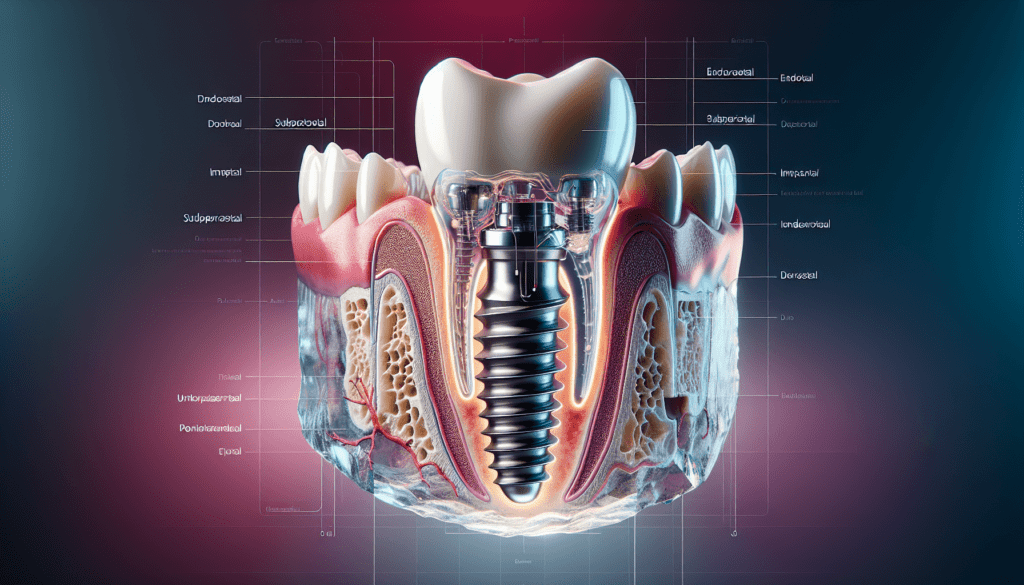
We offer several flexible finance options that let you break down the total cost into smaller, much more manageable weekly or monthly payments. This lets you get the crown you need right away and pay for it over time in a way that fits your household budget. We're committed to being completely transparent and will sit down with you to find a plan that feels right.

For a full rundown of how it works, take a look at the payment options available at Newtown Dental. Our friendly team is always ready to talk you through the details, answer any questions, and help you find a path forward. A healthy smile should always be within reach.

What's the Next Step? Let's Put It All Together

Okay, that was a lot of information to take in. We've talked through the different types of crowns, what goes into the cost, and all the factors that can influence the final price. So, where do you go from here?

Choosing the right crown really comes down to a balance between looks, strength, and what fits your budget. It's a lot to weigh up, and that’s exactly where our team comes in. We’re here to cut through the complexity and give you straightforward, honest advice so you can feel confident in your decision.

A Simple, Transparent Process

We believe you should never have to guess what your dental care will cost. It all starts with our $100 new patient check-up, which includes a comprehensive exam, all the necessary X-rays, and a professional polish. This initial appointment gives us everything we need to create a personalised treatment plan and provide an exact quote for your crown. No surprises.

Having a clear financial roadmap is more important than ever. National data shows the average price for a dental crown in New Zealand was $1,624 back in 2023. By 2025, it had already crept up by 3.7% to around $1,685, and forecasts suggest another 3.6% rise in 2026. You can get a better sense of these NZ dental cost trends to see the bigger picture.

Expertise and Comfort You Can Count On

Here at Newtown Dental, we've built our reputation on providing high-quality care that fits into your life. We specialise in efficient, fast-turnaround crowns, meaning you get your new tooth sorted sooner. If you're curious about how we make it happen, we break it all down in our guide on the fast-turnaround advantage of Newtown Dental crowns.

Your comfort is at the heart of everything we do. We know dental visits can be a source of anxiety for many people, which is why we’re proud to offer options like IV sedation for a truly calm and stress-free experience.

You've done the hard part by getting informed. The final step is the easiest one.

Just book a consultation with our friendly team in Newtown. We'll sit down with you, listen to what you need, and work out a clear, no-obligation quote. It’s the best way to get all your questions answered and start the journey toward a smile you’ll love.

Your Dental Crown Questions Answered

It's completely normal to have questions when you're looking into getting a dental crown. To help you feel more comfortable and informed, we've put together answers to some of the most common queries we get from our patients here in Wellington.

How Long Do Dental Crowns Last in New Zealand?

This is a great question, and the answer really comes down to two things: the type of crown you get and how well you look after it. If you're diligent with your brushing, flossing, and regular check-ups, you can expect your crown to serve you well for a very long time.

Here's a general guide:

  • Porcelain-Fused-to-Metal (PFM) and All-Porcelain crowns typically have a lifespan of about 5 to 15 years.
  • Zirconia and Gold Alloy crowns are the heavyweights. They're incredibly tough and can last for 20 years or even a lifetime with the right care.

Think of your regular dental visits as a warrant of fitness for your crown—we check to make sure everything is still fitting perfectly and the tooth underneath is healthy.

Does the Dental Crown Procedure Hurt?

We understand this is a big concern for many people, and we make your comfort our top priority. The short answer is no, it shouldn't hurt.

Before we start any work, we completely numb the tooth and the gum around it with a local anaesthetic. You won’t feel any pain during the actual preparation. Afterwards, it’s normal to feel some minor sensitivity or tenderness for a day or two, but this is usually very manageable with standard pain relief you'd get from the chemist.

Can I Use Free Dental Care for Under 18s to Get a Crown?

In New Zealand, the free dental scheme for teenagers (from Year 9 up to their 18th birthday) is fantastic for covering routine care like check-ups, fillings, and extractions.

However, more complex treatments like dental crowns are generally not covered under this scheme. The main exceptions are if the crown is needed because of an accident and is approved by ACC, or in very specific cases that require pre-approval from Te Whatu Ora. For most standard or cosmetic crowns, the cost will need to be covered privately.

What Is the Difference Between a Same-Day and a Lab-Made Crown?

The biggest differences here are the timeline and the technology used. A traditional lab-made crown is a two-step dance: your first visit is for preparing the tooth and taking an impression, and then you come back about two weeks later to have the final crown fitted.

A same-day crown, on the other hand, is all done in a single appointment using advanced CAD/CAM technology like CEREC. We design, mill, and fit your permanent crown right here in our clinic. While it's incredibly convenient, the high-tech gear required means the upfront dental crowns cost can sometimes reflect that. Both routes lead to a fantastic, durable result.


Ready to take the next step towards a restored, confident smile? The team at Newtown Dental is here to give you a clear, personalised treatment plan and a no-surprise quote. Book your consultation with us today.

Composite Dental Veneers: A Fast Smile Makeover Guide

By Uncategorized

Ever thought about getting a brand-new smile, hand-sculpted just for you, in a single afternoon? That’s the reality of composite dental veneers. They're an artistic, fast, and accessible way to correct imperfections and completely change your look, often in just one appointment.

Your Same-Day Smile Makeover Explained

Think of your dentist as a sculptor and the composite resin as their clay. This special tooth-coloured material is applied directly to your teeth, layer by tiny layer, and shaped by hand. It gives us incredible control to build the exact shape, size, and colour you're hoping for.

This makes them a brilliant choice for tackling those little cosmetic issues that might be making you feel self-conscious. Instead of a long, drawn-out process, we can skilfully cover up these concerns in a single visit, giving your confidence an immediate and noticeable boost.

Close-up of a person in blue gloves working on a dental model, applying composite veneers with tools.

What Kinds of Problems Can Composite Veneers Fix?

One of the best things about composite veneers is how versatile they are. We use them to solve a whole range of common cosmetic problems, which is why they’re so popular with people looking for quick, beautiful results.

  • Chipped or Broken Teeth: That frustrating little chip on a front tooth can be repaired so seamlessly that it looks like it was never there.
  • Gaps Between Teeth: We can use the resin to close small to medium-sized gaps (also known as diastemas) without you having to go through orthodontics.
  • Stains and Discolouration: For those deep-set stains that even professional whitening can’t lift, veneers create a consistently bright, white surface.
  • Uneven or Oddly Shaped Teeth: We can reshape teeth that are too small, pointy, or worn down to create a more balanced and harmonious smile.

This direct, hands-on method is what really makes composite veneers stand out. Unlike porcelain veneers, which have to be custom-made in an external lab, we craft your composite veneers right here in the dental chair with you.

Why Speed and Affordability Matter

Here in New Zealand, and particularly across Wellington, we’ve seen a real rise in the popularity of composite resin. It just hits that sweet spot between fantastic looks and a sensible cost. While we saw some big jumps in national dental prices between 2020 and 2023, composite veneers have remained a relatively stable and affordable option.

Their single-visit nature is a huge plus, especially for the 60% of people seeking a smile makeover who tell us speed is a top priority. For more on how costs stack up, it's worth checking the latest New Zealand dental pricing data.

At the end of the day, the benefit is simple: you can walk into our clinic with things you dislike about your smile and walk out that very same day with a smile you love. That immediacy is a game-changer for so many of our patients.

The procedure is also very conservative. In most cases, we only need to do minimal, if any, preparation of your natural tooth enamel. This keeps your teeth healthy and strong underneath, and it also means the treatment can often be reversed down the line. For many of our Kiwi patients, that flexibility is a huge deciding factor. It's truly one of the quickest, most budget-friendly paths to getting the smile you’ve always wanted.

The Composite Veneer Procedure Step By Step

What often surprises people about composite dental veneers is just how straightforward the process is. Unlike porcelain veneers that involve lab work and multiple appointments, we can completely reshape your smile in a single visit. It all happens right here in the dental chair, making it an incredibly convenient way to get the smile you’ve always wanted.

Think of it as a direct, hands-on approach. Your dentist isn't just fitting a pre-made cover; they’re an artist, skilfully sculpting your new smile by hand. This allows for a truly custom result that’s designed just for you.

The First Step: Your Smile Design Consultation

It all starts with a simple conversation. Before we pick up any tools, you’ll sit down with your dentist to talk through exactly what you’re hoping to achieve. This is your chance to point out the little things that bother you—whether it's a chip, a gap between teeth, or the overall colour.

We’ll also pick out the perfect shade for your new look. Using a shade guide filled with a wide range of natural tooth colours, we'll find the one that best suits your skin tone and personal preference. Whether you’re after a subtle brightening or a dazzling, photo-ready smile, this initial chat makes sure we’re on the same page.

The goal of this consultation is to create a clear plan. We want you to feel heard, understood, and completely confident in the outcome before we even begin the hands-on part of the process.

This teamwork is what makes the final result so successful. It removes any guesswork and puts you in the driver’s seat of your smile makeover right from the start.

Preparing the Tooth Surface

Once we have a clear plan, the next step is getting your teeth ready. For composite dental veneers, this is a very gentle process. Most of the time, all it takes is a thorough clean and polish to make sure the surface is perfect for bonding.

Your dentist will then apply a mild etching gel to the front of your teeth. This solution creates a microscopically rough surface on your enamel, which is the secret to a strong, lasting bond with the composite resin. Think of it like lightly sanding a piece of wood before painting—it helps the material stick securely.

  • Minimally Invasive: We rarely need to remove any of your natural tooth structure, which is a huge benefit.
  • Painless Process: The preparation is so gentle that we almost never need to use a local anaesthetic.
  • Preserves Tooth Health: By leaving your natural tooth fully intact, we keep it strong and healthy underneath the veneer.

This conservative approach is a major reason why patients love composite veneers. You get a fantastic cosmetic result without having to compromise the health of your own teeth.

The Art of Sculpting and Bonding

This is where the real artistry happens. Your dentist will apply the composite resin—which has a soft, putty-like consistency—directly onto your tooth. They’ll add it in small, careful increments, meticulously shaping and sculpting the material to build your new tooth shape.

Layer by layer, the veneer is built up to hide imperfections and create a natural, seamless finish. After applying each thin layer, we use a special curing light. This focused blue light hardens the soft resin into a durable, solid surface in just a matter of seconds.

This process is repeated until we’ve achieved the perfect shape and thickness. Once complete, your new composite dental veneer is securely bonded, becoming a tough and resilient part of your tooth.

Final Shaping and Polishing

The last stage is all about the finishing touches. Your dentist will carefully smooth and contour the hardened composite, making sure your bite feels comfortable and the veneer blends perfectly with your neighbouring teeth. They’ll check every edge and make final tweaks to the length and shape.

With the shape perfected, the final step is a polish. We polish the veneer to a beautiful, high-gloss shine that mimics the natural lustre of tooth enamel. This is what gives your new smile that vibrant, lifelike appearance. You’ll walk out of the clinic that very same day, ready to show it off to the world.

Composite Veneers Versus Porcelain Veneers

When you’re thinking about enhancing your smile with cosmetic dentistry, one of the first big conversations we’ll have is about composite dental veneers versus porcelain veneers. There’s no single right answer here; the best choice really comes down to you. Are you hoping for a fast, flexible, and affordable smile refresh, or are you looking to invest in long-term durability and aesthetic perfection?

Getting to grips with what makes these two fantastic options different is the key to choosing a path that fits your budget, your lifestyle, and your unique vision for your smile. Each material has its own character and benefits, so let’s walk through them.

Speed and Convenience

One of the most appealing things about composite veneers is just how quickly we can get the job done. Because the resin material is applied and sculpted directly onto your teeth right here in the chair, the entire transformation can often happen in a single appointment. You can genuinely walk into our clinic in the morning and leave that afternoon with a completely new smile.

Porcelain veneers, on the other hand, are a bit more of a journey. After we prepare your teeth, we take a detailed impression which is sent off to a specialised dental laboratory. There, master technicians craft your custom veneers. This process usually takes a couple of weeks, so you’ll need at least two visits with us to get your final smile in place.

For anyone wanting immediate results, composite veneers are the clear winner. The ability to achieve a full smile makeover in a single visit is a huge plus for people with busy schedules.

Cost and Affordability

Cost is, of course, a major consideration for most people in New Zealand. Composite veneers are significantly more budget-friendly upfront. Because we create them ourselves, chairside, without needing to involve an external lab, the overall costs for materials and time are lower.

Porcelain veneers are a bigger financial investment. The premium ceramic material and the expert lab craftsmanship both contribute to their higher price. That said, their incredible longevity can make them a very cost-effective choice when you look at the bigger picture over many years.

Aesthetics and Natural Appearance

Both options can give you a stunning, natural-looking smile, but they get there in slightly different ways. Porcelain is a ceramic that has a beautiful, subtle translucency that mimics natural tooth enamel almost perfectly. The way it catches and reflects light gives it an unmatched, lifelike lustre, and it’s incredibly resistant to stains from coffee, tea, or red wine. If you're curious, you can learn more about how porcelain achieves this look in our guide to porcelain teeth veneers in Wellington.

Composite resin also delivers a beautiful result and can be polished to a brilliant, natural shine. While it looks fantastic from day one, it is a bit more porous than porcelain, which means it can be more prone to picking up stains over time. The good news is that this is easily managed with regular professional polishing to keep your smile bright and fresh.

This infographic shows just how direct and artistic the process of applying composite veneers is.

Infographic detailing the composite veneer dental procedure, from preparation and sculpting to final polishing steps.

As you can see, it's a hands-on process where we prepare, sculpt, and polish your new smile, allowing for that amazing same-day transformation.

Durability and Repairability

When we talk about sheer longevity, porcelain definitely has the advantage. With good home care and regular check-ups, porcelain veneers can last for 10 to 15 years—sometimes even longer. They are exceptionally strong and resilient.

Composite dental veneers generally have a lifespan of about 5 to 7 years. While they don't last as long as porcelain, they have a major ace up their sleeve: they are easily repairable. If you happen to chip or crack a composite veneer, we can almost always fix it quickly and affordably in a single visit, often just by bonding a little new resin to the damaged spot.

Fixing a porcelain veneer is a more involved process. A chip or crack usually means the entire veneer has to be replaced, which involves creating a brand-new one at the lab.

Composite Veneers vs Porcelain Veneers At a Glance

Making the final call is a personal decision, and weighing the pros and cons is the best way to start. This table lays out the key differences side-by-side to help make your options crystal clear.

FeatureComposite VeneersPorcelain Veneers
Treatment TimeUsually completed in one visit.Requires at least two visits over a few weeks.
CostMore affordable upfront.Higher initial investment.
LifespanTypically 5-7 years.Typically 10-15+ years.
Stain ResistanceGood, but can stain over time.Excellent, highly resistant to staining.
RepairabilityEasily and affordably repaired.Difficult to repair; often requires full replacement.
ReversibilityOften reversible as minimal tooth prep is needed.Permanent, as enamel is removed for placement.

Ultimately, composite veneers strike a fantastic balance between beauty, speed, and affordability, with the added peace of mind of being easily fixable. Porcelain offers the absolute gold standard in durability and stain resistance for a long-term investment. The best choice is simply the one that aligns with your smile goals and what’s important to you right now.

How Much Do Composite Dental Veneers Cost in NZ?

Alright, let's get straight to the question on everyone's mind: what’s the investment for a new smile? When you’re thinking about a smile makeover, the cost is naturally a huge part of the conversation. For many Kiwis, composite dental veneers hit that perfect sweet spot—they deliver a stunning, visible change without the premium price that often comes with other cosmetic treatments.

The cost for composite veneers here in New Zealand is almost always calculated per tooth. This is great because it means your treatment plan is built just for you, whether you’re fixing one small chip or going for a full set of eight veneers. It gives you a clear, predictable path to budgeting for your new smile.

Factors That Influence the Final Price

While we can give you a general idea, the final figure for your treatment isn't a one-size-fits-all number. A few key things will shape the total investment, because every single smile we work on is unique.

  • Number of Teeth: This is the biggest factor. Correcting a single tooth will be a much smaller investment than a full smile design across your six or eight most visible front teeth.

  • Complexity of Your Case: The amount of time and artistry needed plays a big role. Fixing a few minor chips is relatively quick, but closing bigger gaps or completely changing the shape of several teeth requires a lot more detailed work from your dentist.

  • Your Dentist's Experience: A cosmetic dentist's skill and background are part of the equation. A practitioner with years of specialised training in creating beautiful, lifelike smiles may have a different fee structure that reflects their level of expertise.

Knowing about these variables from the outset helps paint a much clearer picture of the costs involved.

The true value of composite dental veneers isn't just in the material, but in the huge, immediate boost it gives your confidence. It’s an investment in yourself that you get to enjoy every single time you smile.

A Transparent Look at Wellington Prices

Here in Wellington, composite veneers are an incredibly popular way to get a fast smile upgrade, and a big reason for that is their affordability. You can generally expect the cost to be between $650 and $1,200 per tooth.

This is significantly less than porcelain alternatives, which usually start around $1,500 and can reach $2,500 for a single tooth. The main reason for this price difference is that we sculpt composite veneers directly onto your teeth right here in the dental chair, which cuts out external lab fees. For Wellington families, this means a full upper smile refresh (typically 6-8 teeth) might come to around $5,000-$8,000. That’s often a far more manageable figure than the $12,000+ quote you might see for a full set of porcelain veneers. For more information on this, see the latest insights on veneer costs in NZ.

At Newtown Dental, we’re firm believers in being completely transparent with our pricing. When you come in for your consultation, we’ll give you a detailed treatment plan with a full cost breakdown—no surprises, no hidden fees. We want you to feel confident and informed about your investment before we begin. For a more detailed comparison, you can also read through our complete guide to veneer prices in NZ. This clarity allows you to plan your budget with peace of mind and focus on what really matters: getting a smile you absolutely love.

Keeping Your New Smile Bright and Strong

Getting a new smile is an incredible feeling, and you’ll naturally want to keep it looking fantastic for as long as possible. The great thing about composite dental veneers is that they’re designed for real life—beautiful, but also practical. Looking after them is straightforward, and a few simple habits will make all the difference.

With the right care, you can expect your composite veneers to last for 5 to 7 years, and often even longer. The secret isn't some complicated routine; it’s just about being mindful in your day-to-day life.

Your Daily Maintenance Checklist

Caring for your veneers is very similar to caring for your natural teeth, but with a couple of extra points to keep in mind to maintain that perfect finish.

Here are the most important things to do every day:

  • Brush Gently: Always opt for a soft-bristled toothbrush and a non-abrasive toothpaste. Some toothpastes, especially whitening formulas, can be gritty. Over time, these tiny abrasive particles can create micro-scratches on the veneer surface, dulling their polished shine.
  • Floss Every Day: Flossing is non-negotiable! It keeps the gums around your veneers healthy and stops plaque from building up along the edges, which is a common cause of discolouration.
  • Be Mindful of Hard Foods: While your veneers are tough, they aren't indestructible. Try to avoid biting directly into very hard things like ice cubes, pork crackling, or tough nuts with your front teeth. Chewing on pens or biting your nails are also habits that can put your veneers at risk of a chip.

Managing Stains and Keeping Your Smile Bright

The composite resin material is slightly more porous than natural tooth enamel or porcelain, which means it can pick up stains a bit more easily over time. The usual suspects are dark-coloured foods and drinks.

The good news is that staining is something you can easily manage. You don't have to give up your morning coffee or that glass of red wine, but a little awareness goes a long way.

To help minimise staining, a great habit is to simply rinse your mouth with water after you have coffee, tea, red wine, or berries. If you do start to notice your smile isn't quite as brilliant as it was at first, a professional polish during your next dental check-up can often lift those surface stains and bring back much of their original lustre. While you can't whiten the veneers themselves, you can keep the surrounding teeth bright. If that’s something you're thinking about, have a look at our guide on how you can bleach your teeth safely.

The Advantage of Easy Repairs

Life happens. A small chip or crack can occasionally occur, and this is where the practicality of composite dental veneers really stands out. Their repairability is one of their biggest benefits.

Unlike a porcelain veneer, which usually needs to be completely remade if it gets damaged, a chipped composite veneer is almost always a quick and affordable fix. We can typically just bond a small amount of new composite resin to the damaged spot, sculpt it to blend in perfectly, and polish it until it’s good as new. This can often be done in one short appointment, getting your smile back to 100% with no fuss. It’s a huge relief for many of our patients, knowing that their smile can be easily maintained for years to come.

Your Smile Journey at Newtown Dental

A smiling woman in a dental office with friendly staff in the background, ready to start her smile journey.

Deciding to get a smile makeover is a big step, and we believe the experience should feel just as good as the final result. Here at Newtown Dental, we’ve built our entire clinic around your comfort, making top-tier cosmetic dentistry feel accessible and friendly, right in the heart of Wellington.

We get that life is hectic. That’s why we’re open seven days a week with extended hours, so you never have to scramble to find an appointment. And for those little emergencies—like a sudden chip right before a big event—we offer same-day appointments to get your smile back on track without any stress.

A Patient-First Approach to Care

We know that for many people, the thought of any dental work can bring on a wave of anxiety. When you're considering your 'Smile Journey' at Newtown Dental for composite dental veneers, you can rest assured we've thought of everything to keep you comfortable. In fact, you can learn about how modern dental chairs improve patient comfort and satisfaction to see just how much the experience has changed.

For anyone who feels particularly nervous, we proudly offer IV sedation. This option helps you drift into a state of deep relaxation during the procedure. Most patients have little to no memory of the treatment afterwards, making it a truly stress-free way to achieve your dream smile.

We believe clear communication is the foundation of exceptional care. Our multilingual team ensures that every patient feels heard, understood, and comfortable, no matter their background.

Speaking Your Language

Our Wellington community is incredibly diverse, and our team reflects that. To make sure every part of your composite dental veneers journey is crystal clear, we’re proud to offer services in several languages.

  • Arabic
  • Mandarin
  • Japanese
  • Various Indian dialects
  • Samoan

This means nothing gets lost in translation. You can ask questions and discuss your goals with complete confidence, from the first chat to the moment you see your final, polished smile.

Begin Your Transformation Today

A brilliant new smile is much closer than you might think. Our team at Newtown Dental is ready to guide you every step of the way, blending artistry and technical skill with a genuinely gentle touch.

We invite you to book a new patient consultation to explore what’s possible for your smile. Let's start this exciting journey together.

Common Questions About Composite Veneers

It's completely normal to have a few questions as you get closer to deciding on a new smile. We get it! Here, we’ve gathered the most common queries we hear from our patients about composite dental veneers to give you the clear, honest answers you need.

Let’s walk through them together so you feel totally confident about the road ahead.

Is Getting Composite Veneers Painful?

This is usually the very first question people ask, and the answer is refreshingly simple: no, it shouldn't be. The entire process is incredibly gentle. Because we're typically not drilling or making major changes to your natural teeth, there's usually no need for any local anaesthetic.

Most of our patients say it feels a lot like getting their teeth cleaned and polished. Of course, your comfort is our absolute priority here at Newtown Dental. If you're feeling a bit nervous, we can always discuss IV sedation options to ensure your experience is completely relaxed and worry-free.

A key benefit of composite veneers is their gentle nature. The treatment enhances your smile's appearance while preserving the healthy tooth structure underneath, making it a comfortable and conservative choice.

Can I Whiten My Composite Veneers Later?

That’s a really smart question, and it's crucial for planning your smile long-term. The composite resin we use doesn't react to whitening treatments the way your natural enamel does. This means that once your veneers are crafted and their colour is set, you can't lighten them later with bleaching gels.

Because of this, we always advise our patients to whiten their natural teeth to their ideal shade before we place the veneers. This allows us to perfectly match the composite material to your bright new smile for a beautiful, seamless look. If you notice surface stains down the line from things like coffee or red wine, a professional polish during your check-up can often bring back their original sparkle.

Am I a Good Candidate for Composite Veneers?

There's a very good chance you are! If your overall oral health is in good shape and you're looking to fix a few cosmetic imperfections, composite dental veneers could be a fantastic fit. They are brilliant for addressing things like:

  • Small chips or cracks in your teeth
  • Minor gaps you’d like to close
  • Slightly crooked or unevenly shaped teeth
  • Stubborn stains or discolouration

For anyone in Wellington looking for a fast, affordable, and less permanent way to enhance their smile, they are an exceptional choice. The treatment is so conservative that it’s a popular starting point for younger patients or anyone not quite ready to commit to the cost and permanence of porcelain. The best way to know for sure is to come in for a chat so we can look at your teeth and talk about your goals.


Your journey to a brighter, more confident smile is just one conversation away. The expert team at Newtown Dental is ready to help you explore your options with personalised care.

Book your new patient consultation online today

A Guide To Porcelain Teeth Veneers In Wellington

By Uncategorized

Ever wondered how celebrities get those perfectly straight, brilliantly white smiles? While teeth whitening and orthodontics play a part, the secret for many is often porcelain veneers.

Think of a veneer as a super-thin, custom-made ceramic facing that's permanently bonded to the front of your tooth. It's like giving your tooth a brand-new, flawless facade, instantly hiding any imperfections underneath. They're a top-tier cosmetic solution for anyone looking to create a beautiful, natural-looking smile that lasts.

What Are Porcelain Veneers and Who Are They For?

Do you ever find yourself wishing for a "do-over" on your smile? Maybe you have a couple of teeth that are slightly crooked, or perhaps stubborn stains that no amount of whitening can shift. This is exactly where porcelain veneers can make a world of difference, offering a long-term fix for a wide range of cosmetic dental issues.

Porcelain veneers are an incredibly popular way to enhance a smile. In fact, many modern dental clinics are incorporating cosmetic dentistry services specifically to meet the growing demand from patients seeking these kinds of improvements. A veneer acts as a perfected new surface for your own natural tooth.

Correcting Common Smile Imperfections

Imagine you have a scuffed-up wall. You could try to patch and paint it, but covering it with a brand-new, perfectly finished panel would give you a much better result. That’s essentially what a veneer does for a tooth. They are a fantastic treatment option for our Wellington patients who are unhappy with certain parts of their smile.

Some of the most common problems porcelain veneers can fix include:

  • Stubborn Discolouration: Ideal for deep-set stains that don't respond to professional whitening treatments.
  • Chips and Cracks: Veneers can easily cover minor physical damage that compromises a tooth's appearance but not its strength.
  • Gaps Between Teeth: We can custom-shape veneers to close small or uneven spaces, creating a more uniform look.
  • Minor Misalignment: For slightly crooked or oddly shaped teeth, veneers can provide an "instant orthodontics" effect without the long commitment of braces.

Basically, if your teeth are healthy underneath but you're looking for a significant aesthetic upgrade, you could be an excellent candidate for porcelain veneers.

Why Is Porcelain the Premium Choice?

While other materials like composite resin can be used for veneers, porcelain is widely considered the gold standard. Why? It comes down to its incredible aesthetics and durability. Porcelain has a unique translucent quality that mimics the way natural tooth enamel reflects light, which makes the final result practically indistinguishable from real teeth.

Porcelain is incredibly strong and highly resistant to staining. This means your new smile will keep its bright, beautiful colour for years, even if you’re a fan of coffee, tea, or red wine.

This lasting quality makes porcelain a truly worthwhile investment in your smile. If you're thinking about taking this step, it's a good idea to explore the full range of what modern dentistry can do. You can learn more about how Newtown Dental provides both https://newtowndental.co.nz/blog/expert-cosmetic-and-restorative-dentistry/ in our related article.

Here at Newtown Dental, we see veneers as more than just a procedure. They are a powerful way to restore confidence and help our Wellington patients feel genuinely happy every time they smile. We're here to guide you through the entire journey, from start to finish.

Your Porcelain Veneer Journey at Newtown Dental

Deciding to transform your smile is a big step, and here at Newtown Dental, we want you to feel confident and fully in the loop from start to finish. It helps to know exactly what to expect, so we’ve broken down the process of getting porcelain veneers. It’s a carefully planned journey, and we’re with you at every stage, right here in our Wellington clinic.

It all kicks off with a detailed consultation. This first chat is all about you – what you’re hoping to achieve, any worries you might have, and your vision for your dream smile.

Your Initial Smile Design Consultation

The very first appointment is a team effort. We'll sit down together for a smile design consultation, which is much more than a quick look-see. It’s a proper deep dive where we map out a plan that’s perfectly suited to your facial features and what you want to see in the mirror.

During this session, we will:

  • Chat about the specific things you’d like to change about your smile.
  • Take some high-quality photos and digital scans of your teeth.
  • Check your overall oral health to make sure veneers are the right choice for you.
  • Show you how we can customise the size, shape, and colour of the veneers for a completely natural look.

Think of it as the architectural blueprint for your new smile. We’ll bring your ideas and our clinical experience together to design something truly stunning.

This diagram shows the basic idea behind how porcelain veneers work, covering up little imperfections to create a flawless result.

Three-step diagram illustrating how veneers fix tooth imperfections to create a perfect smile.

As you can see, we bond a beautifully crafted, thin shell over your natural tooth. This hides any issues and gives you that picture-perfect finish.

The Gentle Tooth Preparation Stage

Once we’ve locked in your smile design, the next step is to prepare your teeth. A lot of people feel a bit nervous about this part, but our whole approach is about being as conservative and gentle as we possibly can.

We only need to remove a tiny sliver of enamel from the front of the tooth—about 0.5 millimetres, which is roughly the thickness of a contact lens.

This minimal prep work is vital for two reasons. First, it makes just enough room for the veneer to sit perfectly flush with your gum line, so you don't get a bulky or fake look. Second, it ever-so-slightly roughens the tooth surface, creating the perfect canvas for a super-strong, permanent bond.

We know that even small procedures can feel daunting. That’s why we always use a local anaesthetic to make sure the area is completely numb. You won’t feel a thing.

Temporary Veneers and Your Final Smile

After the prep work is done, we take a precise digital impression. This gets sent off to a specialist dental lab where our master ceramists will meticulously handcraft your final porcelain veneers. This part of the process usually takes a couple of weeks.

But don’t worry, you won’t be leaving our clinic with exposed teeth. We’ll fit you with a set of high-quality temporary veneers. They look fantastic and will protect your teeth, so you can get on with your life feeling confident. They also give you a great 'test drive' of your new smile!

When your custom-made porcelain veneers arrive from the lab, you’ll come back for your final appointment. We’ll gently remove the temporaries, give your teeth a final clean, and then carefully bond each veneer into place. We take our time checking the fit and your bite before permanently securing them, leaving you with an instantly beautiful, revitalised smile.

Ensuring Your Comfort with Sedation Options

We get it. Dental anxiety is a very real thing for many Kiwis, and we never want fear to stop you from getting the smile you’ve always wanted. Your comfort is our number one priority.

For patients who feel particularly nervous, we offer IV sedation (Intravenous Sedation).

This is a safe and highly effective option that puts you in a deeply relaxed state, almost like a 'twilight sleep.' You'll still be conscious and able to respond to us, but you’ll feel completely at ease and will have little or no memory of the procedure afterwards. Our trained professionals monitor you closely the entire time, making your veneer experience completely stress-free.

Understanding The Cost Of Your New Smile In NZ

Deciding to get porcelain veneers is a big step, and naturally, one of the first questions on everyone's mind is, "What's this going to cost?" Here in Wellington, we believe you deserve total clarity on the investment you're making in your smile. There's no single price tag for veneers because every smile we create is completely custom-made for the person wearing it.

Hands using a pen and calculator on a wooden desk with a document and 'TRANSPARENT PRICING' text.

A few key things determine the final cost. The most obvious one is the number of veneers you choose. Some people just want to perfect a couple of front teeth, while others are looking for a complete smile transformation involving eight or more veneers to create a seamless, brilliant look.

The complexity of your treatment also comes into play. If we need to correct minor crookedness or spend extra time perfecting the shape and colour to blend in flawlessly, that can influence the overall cost.

Breaking Down The Cost Per Tooth

When you’re planning your budget, it helps to think about the price on a per-tooth basis. Porcelain veneers are the premium choice for a reason, and in Wellington, you can typically expect the cost to range from $1,500 to $2,500 per tooth. This reflects the exceptional quality of the materials and the high level of skill that goes into crafting and placing them.

This price point is a good indicator of their value, especially when you consider their longevity. High-quality porcelain veneers often last 15+ years with proper care. Compare that to composite resin options, which sit around $650-$1,200 per tooth but generally only last 5-7 years. You can dive deeper into what drives these figures in our guide to veneer cost in NZ.

At Newtown Dental, we’re all about straightforward, competitive pricing. When you come in for a consultation, we’ll provide a detailed quote with no hidden surprises. You’ll know exactly what you’re paying for.

The Long-Term Value Of Porcelain

It’s easy to get caught up comparing the upfront price of porcelain veneers to cheaper options like composite bonding. But to really understand the value, you have to look at the bigger picture.

A porcelain veneer is a long-term investment in your smile's beauty and durability. Think of it as choosing a high-quality stone benchtop for your kitchen instead of a laminate one; the initial cost is higher, but the performance and lifespan are far superior.

Let’s put the two main options side-by-side:

  • Porcelain Veneers: Crafted from advanced ceramic, these are incredibly tough and highly resistant to staining. With good hygiene, they can easily last 15-20 years—sometimes even longer. Their beautiful, translucent appearance looks just like natural enamel and won't discolour over time.
  • Composite Bonding: This involves sculpting a tooth-coloured resin directly onto your tooth. It’s definitely more affordable at the start, but the material is softer and much more likely to chip or stain. You’ll probably need to get it touched up or completely redone every 5 to 7 years, and those repeat costs really start to add up.

When you factor in how long they last and how resilient they are, porcelain veneers often end up being the more cost-effective choice over your lifetime.

Making Your New Smile Accessible

We get it—a full smile makeover is a significant financial decision. Our goal is to help you achieve the smile you’ve always wanted without the financial stress. That's why we've put together a range of flexible payment options for our Wellington patients.

Our friendly team can guide you through simple, accessible plans that let you spread the cost of treatment over time, making it much easier to fit into your budget. We partner with trusted finance providers to give you clear, manageable choices. Don't let cost stand in the way of your confidence; we're here to find a solution that works for you.

The Pros And Cons Of Porcelain Veneers

Making a good decision about your smile means looking at the full picture. Porcelain veneers are a fantastic way to get that flawless look, but just like any dental procedure, they come with some major advantages and a few important points to think about. Getting your head around this balance is the key before you commit.

Weighing the good against the not-so-good helps you figure out if porcelain teeth veneers are the right move for your own smile goals and how you live your life. Let's walk through both sides so you have a realistic, complete understanding.

The Benefits Of Choosing Porcelain Veneers

There's a good reason porcelain veneers are considered a top-tier cosmetic option—they deliver incredible results that can fix several issues all at once. People who choose them are usually looking for a mix of aesthetic and practical wins.

The biggest draw is their beautiful, natural appearance. High-quality porcelain has this unique, slightly see-through quality that perfectly mimics how light bounces off natural tooth enamel. What this means for you is that your veneers will blend in perfectly, giving you a brilliant smile that never looks artificial.

But it’s not just about looks. Here are some other key benefits:

  • Incredible Stain Resistance: Porcelain is a non-porous ceramic, which is a fancy way of saying it’s tough for things like coffee, tea, red wine, or smoking to leave a mark. Your smile stays bright for years.
  • Remarkable Durability: When they’re bonded to a healthy tooth, veneers are incredibly strong. If you look after them properly, they can easily last 15-20 years, sometimes even longer. That makes them a genuine long-term solution.
  • Biocompatible Material: Your gums get along really well with porcelain. This means there’s very little risk of any irritation, which helps keep the gum tissue around your new smile healthy and happy.

Important Considerations To Keep In Mind

To make a truly informed choice, it’s just as vital to understand the other side of the coin. These aren't necessarily "negatives," but they are crucial factors to be aware of before you decide to go ahead with treatment.

The most significant point to grasp is that the procedure is irreversible. To get that seamless, flush fit, a very thin layer of your natural tooth enamel has to be shaped and removed. Because enamel doesn't grow back, you have to think of veneers as a permanent commitment.

Once you decide to get porcelain veneers, you will always need to have veneers or a similar restoration (like a crown) on those teeth for the rest of your life. This is a vital part of the decision-making process.

On top of that, here are a few other things to think about:

  • The Upfront Investment: As a premium cosmetic treatment that uses high-grade materials and requires a lot of artistry, porcelain veneers are a significant financial investment.
  • Potential for Sensitivity: It's not uncommon for people to feel some temporary tooth sensitivity to hot or cold things right after the preparation and placement appointments. This usually settles down within a few days or weeks as your tooth gets used to its new surface.
  • They Are Not Indestructible: They're tough, but they aren't invincible. Veneers can still chip or break if you put them under extreme pressure. So, you'll need to be mindful and avoid habits like biting your fingernails, chewing on ice, or using your teeth as tools to open things.

Ultimately, by balancing these pros and cons, you can decide with confidence whether porcelain teeth veneers are the ideal choice to create the smile you've always wanted.

Considering Dental Tourism vs Local Wellington Care

The idea of jetting off overseas for a smile makeover can sound incredibly tempting. You’ve probably seen the ads for "dental tourism" in places like Thailand, and the low prices are hard to ignore. But before you start looking at flights, it’s really important to pull back the curtain and look past the price tag to understand the risks involved.

That dream of a cheap smile makeover can quickly sour. While the initial quote might seem like a bargain, you could be gambling with your long-term dental health, and that’s a bet you don’t want to lose.

The Lure and The Risks of Dental Tourism

Let's be honest, the main reason anyone considers dental tourism is the cost. A full smile makeover with 8-10 porcelain veneers can easily run over $20,000 NZD at home. Then you see an offer from a clinic in Thailand for the same thing for just $4,000-$8,000. That’s a massive saving of 70-75%—often more than enough to cover your travel and a bit of a holiday. If you're curious about the numbers, this guide on why Kiwis choose Thailand for dental veneers breaks it down.

While the numbers are compelling, the reality on the ground can be very different. One of the biggest issues is the vast difference in standards. Dental regulations, the quality of materials used, and even basic infection control can vary dramatically between countries. What’s considered acceptable practice overseas might fall well short of the strict health and safety guidelines we’re bound by here in New Zealand.

The biggest risk? A lack of follow-up care. If a veneer chips, fails, or causes an infection months later, you can’t just pop back to the clinic. Getting help once you’re back in Wellington becomes a major problem.

Many local dentists are understandably hesitant to work on veneers done overseas. They have no way of knowing what materials were used, what shortcuts might have been taken, or the philosophy behind the original treatment. This can leave you in a tight spot, potentially facing even higher costs to fix complications than you would have paid in the first place.

The Peace of Mind of Local Wellington Care

Choosing a local dentist like Newtown Dental for your porcelain teeth veneers is a bigger investment upfront, there’s no doubt. But what you’re really buying is certainty and peace of mind. You’re not just paying for the veneers themselves; you’re investing in a trusted relationship and a guarantee of quality that lasts.

When you work with a local dentist, here’s what you get:

  • A Trusted Relationship: We take the time to get to know you, understand your goals for your smile, and review your health history. This partnership ensures your treatment is genuinely right for you.
  • Guaranteed Quality: We use only the highest-grade porcelain and partner with top-tier local dental labs. You know exactly what’s going into your smile, with no compromises.
  • Accessible Aftercare: If you have any concerns, questions, or need a slight adjustment, we’re right here. This ongoing support is absolutely critical for the long-term success of your veneers.
  • Clear Accountability: As registered New Zealand dental professionals, we are held to the highest clinical and ethical standards. Your safety and satisfaction are our top priorities, and we stand by our work.

Ultimately, staying local means choosing a seamless, accountable process from start to finish. You’re investing in your smile with a team you can trust, right here in Wellington, with the absolute assurance that we’ll be here to support you for years to come.

How To Care For Your Porcelain Veneers

A smiling woman holds a green toothbrush with toothpaste. The text overlay reads 'VENEER CARE TIPS'.

You’ve made a brilliant investment in your smile, and keeping your new porcelain teeth veneers looking their best for years to come is easier than you might think. It really just comes down to a few simple daily habits.

The best way to think about it is like caring for a fine piece of jewellery. A little bit of consistent, gentle attention will go a long way in protecting their shine and helping them last for their full lifespan, which is often 15 years or even longer.

Your Daily Maintenance Routine

One of the best things about porcelain is that it’s incredibly resistant to staining and can’t get a cavity. The catch, of course, is that your natural tooth underneath and the gums around it still can. This makes a great oral hygiene routine your first line of defence.

Here’s what we recommend for daily care:

  • Brush twice a day: Be sure to use a soft-bristled toothbrush and a non-abrasive gel toothpaste. Some whitening or gritty pastes can create microscopic scratches on the surface of your veneers, which will eventually dull their natural lustre.
  • Floss every single day: This one is non-negotiable. Flossing is the only way to clean the tiny spaces where the edge of the veneer meets your tooth. It’s crucial for removing plaque and stopping decay from sneaking in at the margins.
  • Use an alcohol-free mouthwash: If you enjoy using a mouthwash, just check the label to make sure it’s alcohol-free. Over time, alcohol can soften and weaken the dental cement that keeps your veneers securely attached.

These straightforward steps are fundamental to keeping both your veneers and the teeth supporting them in top shape.

Remember, the health of your gums is just as important. Healthy gums create a beautiful frame for your new smile, so be thorough but gentle around the gum line when you brush and floss.

Habits To Avoid To Prevent Damage

While modern porcelain is remarkably strong, it isn't completely indestructible. It’s wise to be mindful of how you’re using your teeth to prevent any accidental chips or cracks. After all, your veneers are designed for chewing and smiling—not for opening things!

Here are a few key things to watch out for:

  • Biting down on hard objects: Try to avoid chewing on ice cubes, hard lollies, pen tops, or your fingernails.
  • Using your teeth as tools: It can be tempting, but don't use your front teeth to rip open packets or snip a loose thread.
  • Grinding or clenching your teeth: If you know or suspect you grind your teeth at night (a condition called bruxism), please let us know. We can fit you with a custom-made night guard to shield your veneers from the intense pressure.

The Importance of Regular Check-ups

Your journey with us at Newtown Dental doesn't stop the moment your veneers are fitted. Regular professional check-ups are absolutely essential for the long-term success of your new smile. During these visits, we’ll give your veneers a specialised clean and polish to maintain their beautiful sheen and meticulously check the bonding.

These appointments allow our team to catch any potential problems when they’re small and easy to fix, ensuring your entire mouth stays healthy. You can learn more about why these visits are so vital by reading our guide on the importance of regular dental check-ups.

Your Veneer Questions, Answered

It's completely normal to have questions swirling around even after you've learned the basics of porcelain veneers. We get it. In fact, we hear the same great questions from our Wellington patients all the time.

To help you feel fully informed and confident, we’ve put together some straightforward answers to the queries that pop up most often. Getting these last few details sorted is often the final piece of the puzzle before you feel ready to go ahead with your new smile.

How Long Do Porcelain Veneers Last?

This is a big one, and for good reason! The good news is that porcelain veneers are a fantastic long-term investment in your smile. With proper care, they can easily last 15 to 20 years, and sometimes even longer.

Porcelain is a remarkably strong, stain-resistant ceramic, far more durable than materials like composite resin. Here at Newtown Dental, we insist on using top-tier materials and collaborating with master ceramists. It’s our way of ensuring your smile isn’t just beautiful for a moment, but is built to last for decades.

Is Getting Veneers Painful?

We put your comfort above everything else. The procedure itself shouldn't be painful at all. We use a local anaesthetic to thoroughly numb the teeth being treated, so you won’t feel a thing during the preparation or the final fitting of your veneers.

It’s possible to have some mild, temporary sensitivity to hot or cold for a few days afterwards as everything settles down. This is perfectly normal and usually fades quickly. For anyone feeling particularly anxious, we also provide IV sedation options to make sure your experience is calm, relaxed, and completely stress-free from beginning to end.

Can I Still Get Cavities with Veneers?

Yes, and this is a critical point to remember. A veneer is a thin shell that only covers the front surface of your tooth. The back and sides of the tooth, along with the area right at your gum line, are still your natural tooth enamel. That means they are just as susceptible to decay as any other tooth in your mouth.

A porcelain veneer itself can't decay, but the natural tooth underneath it absolutely can. This is precisely why excellent oral hygiene isn't just a suggestion—it's essential for keeping your smile healthy for the long haul.

So, you’ll need to stick to a great daily routine:

  • Brush twice a day using a soft-bristled brush and non-abrasive toothpaste.
  • Floss every single day to clean between your teeth and along the edges of the veneers where plaque loves to hide.
  • Visit our Wellington clinic for regular check-ups and cleanings so we can keep a close eye on your teeth and gums.

Think of it this way: your veneers are protecting the front, but it's your hygiene routine that protects the entire foundation.

How Do I Know if I’m a Good Candidate?

The only way to know for sure is to come in for a chat. Every person's smile is different, so a one-on-one cosmetic consultation is the best way for us to give you advice that’s tailored specifically to you.

That said, the ideal candidate for porcelain veneers generally has:

  • Good overall oral health, without any active gum disease or untreated decay.
  • Enough healthy enamel on their teeth for the veneers to bond to securely.
  • A clear idea of what they want to achieve, whether it’s fixing deep discolouration, closing small gaps, or correcting minor chips and crookedness.

In your consultation, we'll take a close look at your smile, but more importantly, we'll listen to what you want. From there, we can explore all your options and figure out if veneers are the right path to the smile you've been dreaming of.


Ready to take the next step towards the smile you've always wanted? The team at Newtown Dental is here to guide you. Book your cosmetic consultation with us today and let's explore how porcelain veneers can transform your confidence.

7 Incredible Dental Veneers Before and After Transformations in NZ (2026)

By Uncategorized

If you're curious about how dental veneers can transform a smile, you've come to the right place. From correcting chips and stubborn discolouration to closing gaps and creating a beautifully uniform look, veneers offer one of the most dramatic cosmetic dental solutions available today. But seeing is truly believing, and understanding the real-world results is a crucial step in your decision-making process.

This guide moves beyond simple pictures. We will showcase seven real-life dental veneers before and after case studies from leading clinics across New Zealand, including detailed examples from our own work here at Newtown Dental in Wellington. We'll break down the specific patient concerns, the type of veneers used (porcelain or composite), and the clinical planning that went into each smile makeover.

You will see firsthand the artistry and precision required to achieve these stunning, natural-looking outcomes. This isn't just a gallery; it's a comprehensive resource designed to help you visualise the life-changing potential of a veneer treatment and understand what might be possible for your own smile. We will provide a deep dive into each case, helping you gather the information you need for your cosmetic dentistry journey.

1. Smile Makeover at Newtown Dental

Newtown Dental presents a premier destination for those exploring "dental veneers before and after" transformations in Wellington. Their Smile Makeover service is a standout choice, built around a philosophy that marries high-end cosmetic artistry with comprehensive, health-focused dental care. This approach ensures that every smile transformation is not only beautiful but also sustainable and functional, making it an excellent all-round option for individuals and families.

The platform distinguishes itself by positioning porcelain veneers as the cornerstone of a bespoke treatment plan. Rather than offering veneers as an isolated procedure, Newtown Dental integrates them with a full suite of services, including professional whitening, crowns, and orthodontics like SureSmile. This holistic strategy addresses underlying oral health issues first, guaranteeing a solid foundation for any cosmetic work.

Smile Makeover at Newtown Dental

Why It Stands Out: A Patient-Centred Approach

What truly elevates Newtown Dental is its exceptional focus on patient comfort and convenience, designed for the realities of modern life. The practice demonstrates a deep understanding of patient needs through its operational model.

  • Unmatched Accessibility: Open seven days a week with extended evening hours, they cater to busy professionals and families. The availability of same-day emergency appointments and free onsite parking removes common barriers to receiving timely care.
  • Advanced Comfort and Technology: Recognising that dental anxiety can be a significant hurdle, the clinic offers IV sedation for complex or stressful procedures. This, combined with modern technology for fast-turnaround restorations, streamlines the treatment process and enhances patient comfort.
  • Inclusive Communication: A multilingual team fluent in Arabic, Mandarin, Japanese, various Indian dialects, and Samoan ensures clear, comfortable communication for Wellington's diverse community.

This combination of clinical excellence and patient-focused logistics creates a seamless and reassuring journey from the initial consultation to the final reveal. For a deeper look into how they blend different treatments for optimal outcomes, you can learn more about their approach to combining treatments for stunning results.

Analysis and Takeaways

FeatureAnalysis
Comprehensive PlanningInstead of just providing veneers, they build a full smile makeover plan. This is a strategic advantage as it leads to better, longer-lasting results by ensuring oral health is prioritised.
Porcelain Veneer FocusThey specialise in porcelain veneers, a premium option known for its durability and natural appearance. This signals a commitment to high-quality cosmetic outcomes.
Patient ConvenienceThe seven-day operation, extended hours, and emergency slots directly address major pain points for patients, making high-quality dental care accessible.
Anxiety ManagementOffering IV sedation is a significant feature that opens the door for anxious patients who might otherwise avoid transformative dental work.
Website: https://newtowndental.co.nz/smile-makeover/

2. Lumino The Dentists – Case studies

As New Zealand’s largest dental group, Lumino The Dentists offers a unique, nationwide perspective on smile transformations. Their online case studies gallery serves as an excellent resource for anyone exploring dental veneers, providing a broad range of real-world examples from across the country. This platform is ideal for gathering inspiration and understanding the potential outcomes for different dental concerns.

The website’s main strength lies in its scale. You can browse a dedicated section of dental veneers before and after images, which helps set realistic expectations by showcasing both porcelain and composite veneer cases. This variety is crucial for seeing how different materials address issues like discolouration, gaps, or minor misalignment.

Why It Stands Out

What makes Lumino’s gallery particularly useful is the seamless transition from inspiration to action. After viewing the case studies, you can use the integrated practice finder to locate and book an appointment with a nearby Lumino dentist. This national network coverage simplifies the process for patients anywhere in New Zealand.

Another significant advantage is the clear presentation of finance options. Lumino openly advertises partnerships with Q Card (offering interest-free periods) and Afterpay, making high-quality cosmetic dentistry more accessible. This transparency helps price-sensitive patients plan for their treatment without financial surprises.

  • Pros:
    • Extensive Network: Broad NZ coverage makes it easy to find a local provider.
    • Variety of Cases: Showcases multiple veneer types (porcelain and composite).
    • Clear Finance Pathways: Integrated finance options help manage treatment costs.
  • Cons:
    • No Direct Pricing: Veneer costs are not listed on the case study page as they vary by practice.
    • Limited Detail: Images may have less clinical detail compared to single-practice galleries.

How to Use the Website Effectively

To get the most out of Lumino’s site, start by browsing their veneer case studies to identify smiles similar to your own. Save your favourite examples to show your dentist during a consultation. While on the site, use the practice finder to locate a clinic near you and investigate the specific services they offer. Since pricing is not listed, your next step should be booking a consultation to get a personalised quote and treatment plan.

Website: https://lumino.co.nz/about/case-studies/

3. Wellington Dentists – Composite Veneers

For those specifically researching composite veneers in the Wellington region, this clinic’s dedicated gallery is an invaluable resource. Wellington Dentists offers one of the most comprehensive online showcases focused on composite resin, featuring over 70 real-patient case studies. This platform is particularly useful for budgeting and understanding what can be achieved with this specific material.

The website’s primary advantage is its transparency. It provides a massive gallery of dental veneers before and after images, time-lapse videos of procedures, and even long-term follow-ups. This level of detail, combined with upfront per-tooth pricing, empowers patients to make well-informed financial and aesthetic decisions before stepping into the clinic.

Wellington Dentists – Composite Veneers

Why It Stands Out

The most significant differentiator for Wellington Dentists is its clear, published pricing. At NZ$857 per tooth for composite veneers, the site removes the financial guesswork that often accompanies cosmetic dentistry research. This transparency is a major benefit for anyone trying to budget for their smile transformation.

Another key feature is the depth of information provided. Beyond just images, the site offers practical guidance on maintenance and lifespan in plain language. It also showcases complex cases where veneers are combined with other treatments, like orthodontic aligners, providing a holistic view of what expert cosmetic dentistry services can achieve. The inclusion of time-lapse videos gives a unique insight into the chairside process itself.

  • Pros:
    • Up-front Pricing: Transparent per-tooth cost helps with accurate budgeting.
    • Extensive Examples: 70+ real-patient cases, including long-term follow-ups.
    • Combination Cases: Shows how veneers work with other treatments for a full smile makeover.
  • Cons:
    • Composite-Focused: Content is heavily skewed towards composite veneers.
    • Limited Porcelain Info: Those seeking porcelain veneer examples or pricing will find less information.

How to Use the Website Effectively

Start by exploring the extensive gallery to find cases that address similar concerns to your own, whether it’s staining, gaps, or chips. Pay close attention to the long-term follow-up photos to understand how composite veneers age. Use the published price to calculate a preliminary budget for your desired outcome. When you are ready, book a consultation to confirm your suitability and get a final, personalised treatment plan.

Website: https://www.wellingtondentist.co.nz/composite-veneers/

4. Titirangi Dental (Tooth.co.nz) – Smile Gallery

Titirangi Dental, a West Auckland clinic, provides a compelling smile gallery that balances cosmetic artistry with functional results. Their website is a valuable resource for individuals researching veneers, as it showcases tangible transformations and transparently outlines the practical steps toward achieving them. It effectively demonstrates what is possible for a variety of dental starting points.

The gallery’s strength is its clear focus on dental veneers before and after transformations, including cases of replacing old veneers and applying new porcelain sets. This helps prospective patients visualise the precise impact veneers can have on issues like unevenness, gaps, and severe discolouration. Often, patients wonder if they should first try other options; understanding the dramatic yet natural results of veneers can help clarify if this is the right path compared to treatments like in-clinic teeth whitening.

Titirangi Dental (Tooth.co.nz) – Smile Gallery

Why It Stands Out

What makes Titirangi Dental’s approach effective is the direct link between visual inspiration and financial planning. While the gallery builds excitement, a separate and detailed pricing and finance page provides the necessary information to move forward. This page lists multiple payment partners, including Afterpay, Q Card, and Southern Cross Easy-Claim, empowering patients to make informed financial decisions.

The website also simplifies the booking process with an integrated DentalHub online booking system, allowing users to schedule a consultation immediately after exploring the gallery. By showing both cosmetic makeovers and more complex functional reconstructions, the gallery sets realistic expectations for the entire scope of modern dentistry, making it a well-rounded and trustworthy resource.

  • Pros:
    • Clear Payment Pathways: A dedicated finance page helps users plan their investment.
    • Functional and Cosmetic Cases: Shows a realistic range of dental transformations.
    • Easy Online Booking: Integrated system simplifies the process of scheduling a consultation.
  • Cons:
    • No Itemised Veneer Prices: Specific costs require a personalised consultation and quote.
    • Clinic Contact Required: Some specific pricing details are not listed online.

How to Use the Website Effectively

Begin by exploring the smile gallery to find cases that reflect your own dental concerns. Take note of the porcelain veneer examples to see the quality of finish you can expect. Next, visit the pricing and payment page to understand the available finance options like Q Card or Afterpay. Once you have a clear idea of the potential results and payment methods, use the online booking tool to schedule a consultation for a detailed treatment plan and a precise quote.

Website: https://tooth.co.nz/gallery/

5. Cosmetic Dental (Dr Michael Kan) – Smile Makeover Gallery

For those seeking a masterclass in cosmetic dentistry, Dr Michael Kan’s Smile Makeover Gallery in Auckland is a must-visit. This Remuera-based practice specialises in high-end smile transformations, and its website provides an in-depth look at complex cases. The gallery is less about single-veneer fixes and more about comprehensive, life-changing smile reconstructions, making it an invaluable resource for understanding the artistry involved in advanced cosmetic work.

The platform excels at showcasing detailed case write-ups that go beyond simple photos. Each dental veneers before and after example is often accompanied by a narrative explaining the patient’s initial concerns and the multi-stage treatment plan required. This level of detail is perfect for anyone considering a more involved makeover that might include orthodontics, crowns, or implants alongside veneers.

Cosmetic Dental (Dr Michael Kan) – Smile Makeover Gallery

Why It Stands Out

The key strength of Cosmetic Dental's gallery is its educational focus on complex, staged treatments. By detailing how veneers are integrated with other procedures, it provides a realistic timeline and sets clear expectations for patients with significant dental challenges. This transparency helps you understand that a perfect smile is often a carefully planned journey, not an overnight fix.

Another standout feature is the user experience, which is designed to seamlessly guide you from inspiration to consultation. Prominent booking buttons and clear contact information are placed throughout the gallery, making it incredibly easy to take the next step once you feel ready. This direct call-to-action removes friction for motivated patients who have seen the quality of work and want to proceed.

  • Pros:
    • Detailed Narrative Cases: Provides context and shows the full treatment journey.
    • Showcases Complex Makeovers: Excellent resource for understanding staged treatments.
    • Easy to Book: Prominent calls-to-action make scheduling a consultation simple.
  • Cons:
    • No Public Pricing: Costs are only available after a formal consultation.
    • Higher-End Focus: May not be representative for those seeking minor, budget-friendly enhancements.

How to Use the Website Effectively

Begin by exploring the Smile Makeover gallery to find cases that address dental issues similar to your own. Pay close attention to the treatment notes to understand the number and type of veneers used, as well as any complementary procedures. If the quality and complexity of the work align with your goals, use the on-page booking forms to schedule a consultation with Dr Kan for a personalised assessment and detailed quote.

Website: https://www.cosmeticdental.co.nz/patient-smile-gallery/smile-makeover/

6. Kowhai Dental – Smile Gallery

Kowhai Dental, a Whangārei-based clinic, offers a highly educational online smile gallery that serves as an excellent starting point for Northland residents considering veneers. Their gallery is more than just a collection of images; it’s a tool that helps prospective patients understand the clinical decisions behind a smile transformation. The platform effectively showcases porcelain veneer cases, making it a valuable resource for those wanting to visualise potential results.

The main strength of their gallery is the concise yet informative captions accompanying each case. These explanations often compare different treatment options, such as porcelain versus composite veneers, and detail the expected lifespan of the chosen material. This educational approach demystifies the process and empowers patients to have more informed discussions during their consultation.

Kowhai Dental – Smile Gallery

Why It Stands Out

What makes Kowhai Dental’s gallery particularly effective is its direct link between visual evidence and taking the next step. Prominent 'Book an appointment' and 'Book a dental clean' links are placed directly on the gallery page, streamlining the user journey from inspiration to action. This removes friction and makes it incredibly easy for an impressed visitor to schedule their initial exam.

The site’s user-friendly design also clearly publishes clinic hours and contact details, ensuring all necessary information is readily available. This transparency and focus on patient education build trust before you even step into the clinic.

  • Pros:
    • Educational Captions: Explanations help patients understand why specific veneer types were used.
    • Direct Booking: A straightforward pathway to book an appointment directly from the gallery.
    • Focused Examples: High-quality examples of dental veneers before and after provide clear visual proof.
  • Cons:
    • No Public Pricing: Veneer costs are only provided after a clinical examination.
    • Regional Focus: As a Northland clinic, it’s less convenient for patients outside the Whangārei region.

How to Use the Website Effectively

Begin by exploring the Smile Gallery to find cases that address similar concerns to your own, paying close attention to the captions that explain the treatment rationale. Use this information to formulate questions for your dentist. Since the gallery seamlessly integrates booking links, the most logical next step is to schedule a consultation directly through the website to receive a personalised treatment plan and accurate cost breakdown.

Website: https://www.kowhaidental.co.nz/smile-gallery

7. Dental Plus Tauranga – Smile Gallery

Based in the Bay of Plenty, Dental Plus Tauranga offers a well-organised smile gallery that simplifies the research process for prospective veneer patients. The platform is especially useful for those wanting to see how veneers are used in combination with other treatments, providing a holistic view of what a full smile makeover can achieve. Its clear layout and categorisation make it a practical starting point for your aesthetic journey.

The gallery’s main advantage is its specific filtering system. Instead of a general collection, you can explore dedicated sections like “Veneers & Bonding,” “Veneers & Whitening,” and even “Replacement Veneers.” This allows you to find dental veneers before and after images that closely match your own situation, whether you’re starting fresh or updating previous cosmetic work.

Why It Stands Out

Dental Plus Tauranga excels by making it incredibly easy to move from viewing examples to taking action. Prominent ‘Book your appointment’ calls-to-action are placed directly on the gallery page, alongside clinic hours and contact details. This user-friendly design removes friction and encourages you to schedule a consultation the moment you feel inspired.

The gallery also provides valuable insight into combined treatment plans. By showcasing cases that pair veneers with whitening or bonding, it sets realistic expectations about how a comprehensive cosmetic plan can deliver a truly cohesive result. This is particularly helpful for understanding that veneers are often one part of a larger smile enhancement strategy.

  • Pros:
    • Clear Gallery Organisation: Easy to navigate with treatment-specific categories.
    • Action-Oriented Design: Booking and contact information are readily accessible.
    • Realistic Outcomes: Shows combined treatments for a complete smile makeover perspective.
  • Cons:
    • No On-Site Pricing: Costs are only available after a formal consultation.
    • Limited Clinical Details: The gallery focuses on visual results rather than in-depth case notes.

How to Use the Website Effectively

Begin by exploring the different veneer categories in the smile gallery to find cases that address your specific concerns. Pay close attention to the combined treatment examples if you suspect you might need more than just veneers. Once you’ve found a look you admire, use the prominent contact buttons on the page to book your initial consultation and discuss how a similar result could be achieved for your smile.

Website: https://www.dentalplus.co.nz/smile-gallery

Before & After Veneer Case Comparison — 7 Clinics

Service / ClinicImplementation complexity 🔄Resource requirements & access ⚡Expected outcomes ⭐📊Ideal use cases 💡Key advantages
Smile Makeover at Newtown DentalHigh — staged, multidisciplinary (veneers, implants, ortho, restorative)High resources; extended hours, IV sedation, same-day emergency, fast-turnaround labs, multilingual teamHigh-quality, natural-looking, long-lasting smile transformationsBusy families, anxious/complex patients needing coordinated careComprehensive full-spectrum care; strong convenience and patient comfort
Lumino The Dentists – Case studiesLow — browsing gallery and booking pathwayNationwide network; online practice finder and finance options (Afterpay, Q Card)Broad sampling of porcelain and composite cases to set expectationsPatients seeking local providers, inspiration, or finance optionsNational coverage; multiple veneer types; clear finance pathways
Wellington Dentists – Composite VeneersLow–Moderate — single-procedure focus (composite)Local Wellington clinic; published per-tooth pricing (NZ$857) and long-term follow-upsCost-transparent, practical cosmetic results with maintenance guidanceCost-conscious locals researching composite veneers and budgetingUp-front pricing; extensive before/after gallery and time-lapse videos
Titirangi Dental (Tooth.co.nz) – Smile GalleryLow — gallery plus booking and finance infoOnline booking (DentalHub); separate pricing/finance page (Afterpay, Q Card, Southern Cross, ACC/WINZ)Visual examples with functional reconstructions and payment pathwaysUsers ready to book and explore payment optionsCombination of visuals and concrete payment/book pathways
Cosmetic Dental (Dr Michael Kan) – Smile Makeover GalleryHigh — detailed, staged complex makeoversHigh-end cosmetic focus; consultation required for pricing; prominent booking CTADetailed narrative case outcomes showing staged, high-quality makeoversPatients seeking premium cosmetic transformations and detailed case notesRich case write-ups; clear path to consultation and complex examples
Kowhai Dental – Smile GalleryLow — straightforward gallery with captionsRegional (Whangārei); direct booking links and clinic hoursEducational before/after examples comparing materials and expected lifespanLocal patients wanting material guidance and easy bookingConcise educational captions; clear booking flow
Dental Plus Tauranga – Smile GalleryLow–Moderate — organised by treatment typeGallery segmented by treatment, zoomable images, booking CTA, contact detailsClear, categorised veneer examples showing combinations and outcomesUsers who want quick access to specific veneer categories and to bookWell-organised gallery; multiple veneer categories and easy actionability

Your Next Step Towards a Confident Smile in Wellington

The journey through these remarkable dental veneers before and after case studies from across New Zealand showcases one undeniable truth: a carefully planned smile makeover can profoundly enhance your confidence and overall quality of life. From correcting minor chips and discolouration with composite bonding to achieving a complete, symmetrical transformation with porcelain veneers, the potential is truly inspiring.

Throughout this gallery, we've analysed how leading dental clinics approach cosmetic challenges. We've seen the artistry involved in customising the shade, shape, and size of each veneer to create a result that is both stunning and natural-looking. The key takeaway from these examples is the importance of a personalised treatment plan. Your smile is unique, and your veneers should be too.

Key Insights for Your Veneer Journey

As you consider your own transformation, remember these crucial points drawn from our analysis:

  • Porcelain vs. Composite: Porcelain veneers offer superior durability and stain resistance for long-term, dramatic changes. Composite veneers provide a more conservative, often single-visit solution for smaller imperfections and are generally more affordable. Your budget, timeline, and aesthetic goals will determine the best material for you.
  • Preparation is Paramount: The most successful outcomes, as seen in the before and after galleries, begin with a healthy foundation. Any underlying issues like decay or gum disease must be addressed first. A minimal-preparation approach is often preferred to preserve as much natural tooth structure as possible.
  • The Power of Personalisation: The best results don't look artificial. They harmonise with your facial features, skin tone, and personality. A comprehensive consultation is vital for discussing your desired outcome and ensuring your dentist understands your vision.

Making Your Decision in Wellington

Choosing to move forward with dental veneers is a significant decision, and selecting the right dental partner is the most critical step. Look for a clinic that not only has cosmetic expertise but also prioritises your comfort, convenience, and long-term oral health. At Newtown Dental, we believe that achieving your dream smile should be a positive and stress-free experience.

We've built our practice around your needs, offering a multilingual team fluent in Arabic, Mandarin, Japanese, Indian dialects, and Samoan to ensure clear communication. For anxious patients, our IV sedation options provide a calm and comfortable treatment path. With seven-day opening hours, free onsite parking, and same-day emergency appointments, accessing world-class dental care in Wellington has never been easier.

Seeing the powerful impact of dental veneers before and after treatment is the first step. The next is to discover what's possible for your own smile.


Ready to start your own transformation journey? The experienced and welcoming team at Newtown Dental is here to guide you with a personalised plan tailored to your unique goals. Book your comprehensive $100 new patient check-up, including X-rays and a polish, to explore your options today at Newtown Dental.

Dental Implants Cost: A Breakdown and Tips for Kiwis

By Uncategorized

Wondering what to budget for a new smile? It’s one of the first questions we hear, and it’s an important one. In New Zealand, the investment for a single dental implant to replace a missing tooth typically falls somewhere between NZ$6,000 and NZ$7,000.

This figure represents a complete, start-to-finish solution designed to give you back the look, feel, and function of a natural tooth for the long haul.

Unpacking the Real Cost of a Dental Implant in Wellington

Trying to understand the cost of a dental implant can feel a bit like getting a quote to build a house. You wouldn’t just get a single, vague number. Instead, you'd expect a breakdown covering the foundation, the framework, the roofing, and all the finishing touches. Dental implants are much the same.

The final price isn't for a single 'thing' but is a sum of several crucial parts and expert procedures all working together. It’s a collaboration of science, skill, and artistry.

What Goes Into the Cost? A Piece-by-Piece Look

Let's break down the three core components that make up the total investment in your new tooth:

  • The Implant Post (The New Root): This is the high-quality titanium post that acts as a new root for your tooth. It’s surgically placed into your jawbone, where it integrates to become a permanent, incredibly strong foundation.
  • The Abutment (The Connector): Think of this as the piece that connects the new root to the visible part of the tooth. It sits just above the gum line and provides a solid base for the crown.
  • The Crown (The Visible Tooth): This is the part everyone sees. It's a custom-made, tooth-coloured porcelain cap that is meticulously crafted to match the shape and shade of your surrounding teeth, giving you a completely natural-looking smile.

Looking at it this way, you can see why a simple price tag doesn't quite capture the full picture. Every single element is vital for the long-term success and beautiful outcome of your implant.

A dental implant isn't just a product you buy off a shelf. It's a highly skilled clinical procedure that involves careful planning, surgical precision, and artistic detail to rebuild your smile from the root up.

Finding a Clear Price in Wellington

We know that making this decision for yourself or your whānau is a big deal. The typical NZ$6,000 to NZ$7,000 cost for a single implant in New Zealand is a significant investment in your health, confidence, and quality of life.

Here's a quick look at how costs for different implant procedures often stack up in the Wellington region.

Estimated Dental Implant Costs in Wellington

This table gives you a quick overview of typical price ranges for different dental implant procedures in the Wellington region, helping you find the information most relevant to you.

Implant ProcedureTypical Price Range (NZD)
Single Tooth Implant (Implant, Abutment & Crown)$6,000 – $7,000
Implant-Supported Bridge (per tooth replaced)$5,000 – $6,500
All-on-4 Full Arch (per jaw)$25,000 – $35,000+
Bone Grafting (Simple)$500 – $1,500
Sinus Lift (Complex Bone Graft)$2,500 – $4,500+

Note: These are estimates. Your final cost will depend on your specific clinical needs, which can only be determined after a full consultation and assessment.

At Newtown Dental, our entire approach is built on making this life-changing treatment understandable and accessible. We're a family-focused clinic, and that means we believe in upfront, transparent pricing and supporting you every step of the way. We want you to feel completely informed and comfortable with your decision, knowing exactly what you're investing in—a healthier, more confident smile for years to come.

Decoding Your Dental Implant Quote

Getting a quote for a dental implant can feel a bit like trying to read a mechanic's invoice – lots of technical terms and numbers. It’s easy to get lost in the details, but understanding what each part means is the key to seeing the true value in this long-term investment for your health.

Think of it less as one big price tag and more as a detailed plan for rebuilding your tooth right from the foundation. Every line item on that quote represents a crucial component or service needed to get a fantastic, long-lasting result. Let's break it down so you can see exactly how your new smile is built.

The Three Core Components of a Dental Implant

At the centre of every single implant are three fundamental building blocks. Each has a very specific job, and when they come together, they create a replacement tooth that looks, feels, and chews just like the real thing.

  1. The Implant Fixture (The New Root): This is the powerhouse of the whole system. It's a small, screw-like post made from biocompatible titanium, the same stuff used in hip and knee replacements. We surgically place this fixture into your jawbone, where it gradually fuses with the bone over a few months. This natural process, called osseointegration, creates an incredibly strong anchor that perfectly mimics a natural tooth root.

  2. The Abutment (The Connector): Once the implant fixture is rock-solid in your jaw, we attach the abutment. This piece sits right at the gum line and acts as a sturdy connector, joining the hidden implant below to the visible tooth above. It's the critical link that transfers all the strength from your new "root" up to your new tooth.

  3. The Crown (The Visible Tooth): This is the part everyone sees when you smile! The crown is a custom-made, tooth-coloured cap that’s designed to perfectly match the shape, size, and colour of your other teeth. It’s carefully crafted in a dental lab to make sure the final result is seamless and completely natural-looking.

A diagram illustrating the dental implant cost hierarchy: 1. Crown, 2. Abutment, 3. Implant.

This simple diagram shows how each piece builds on the one before it to create a full, functional replacement tooth.

Services Included in Your Treatment Plan

Of course, the quote isn't just for the physical parts. It also covers the highly skilled clinical work required to plan and place your implant perfectly. These services are just as vital as the hardware itself.

  • Initial Consultation and Planning: This all starts with a thorough exam, which includes advanced 3D imaging (CBCT scans). This tech gives us a crystal-clear, three-dimensional map of your jawbone, nerves, and sinuses, allowing us to plan the surgery with absolute precision. It's the architectural blueprint for the entire procedure.

  • Surgical Placement: This is the clinical procedure where the implant fixture is carefully placed into the jawbone. The cost covers the dentist’s time and expertise, a sterile surgical setup, and all the materials needed on the day. This step demands incredible skill to ensure the implant is positioned perfectly for long-term success.

Once you understand each part of your quote, that intimidating number transforms into a clear, logical investment in your oral health. You’re not just buying a product; you’re investing in a complete clinical solution designed to last for years.

A good quote will always lay these elements out clearly, so there are no surprises down the track. We know this is a significant investment, which is why it’s worth exploring different ways to manage the cost. Newtown Dental offers several flexible payment options to help our patients budget for their care without having to wait.

By seeing the full picture, you can feel confident and prepared as you take the next step on your journey to a restored smile.

Additional Procedures That Can Affect Your Final Cost

The price for a dental implant isn't always just the sum of its three main parts. To get a successful, long-lasting result, we first need to make sure the site for the new tooth is perfectly prepared. Think of it like building a house: you simply can't put a sturdy new extension on a weak or crumbling foundation.

In dentistry, that foundation is your jawbone. It needs to be strong, healthy, and have enough volume to securely anchor the implant for years, even decades, to come. Sometimes, we need to do a bit of preparatory work to create that ideal environment. While these steps do add to the final investment, they're often what makes the difference between a good outcome and a great one.

Dental tools, liquid, and models on a black surface with 'SITE PREPARATION' text.

Bone Grafting: Rebuilding the Foundation

When you lose a tooth, the jawbone underneath it can start to shrink away over time because it's no longer being stimulated by chewing. A bone graft is our way of rebuilding that lost bone, creating a solid and dense base for the implant to grip onto.

It’s a bit like a landscaper adding topsoil to a bare patch of lawn before planting a new tree. We place special bone grafting material in the area, which acts as a scaffold, encouraging your body to grow its own new, strong bone. This is crucial for ensuring the implant can fuse properly and stay stable for the long haul.

A straightforward bone graft might add between $500 and $1,500 to your overall cost, but it's a vital investment in the implant's future.

Sinus Lifts: Raising the Ceiling

Placing implants in your upper jaw, right at the back of your mouth, comes with its own unique challenge: the maxillary sinus. This is a natural, air-filled space sitting just above the roots of your molars. If there isn't enough bone height between your jaw and the floor of the sinus, placing an implant could risk pushing through into it.

A sinus lift is a specialised procedure designed for this exact situation. We gently elevate the sinus membrane and place bone graft material underneath it. This effectively 'raises the ceiling', creating the vertical space we need to place a full-sized implant securely in bone, well away from the sinus.

These preparatory procedures aren’t just optional extras; they are foundational steps that directly contribute to the incredibly high success rates of modern dental implants, which often exceed 95%.

Because of its complexity, a sinus lift can range from $2,500 to over $4,500, depending on your specific anatomy.

Tooth Extractions: Clearing the Site

Finally, the most common first step is simply removing a damaged or failing tooth to make room for the new implant. A tooth extraction is necessary when the original tooth is beyond saving and we need a clean, healthy site to start from.

This is all about 'clearing the ground' for a fresh start. In some situations, we might even perform a bone graft at the same time as the extraction to preserve the socket and get it ready for a future implant.

The cost of these additional procedures helps explain why the total price for an implant can vary so much from person to person. Dental care costs in New Zealand have been on the rise, and it's not uncommon for a single implant in Wellington to start around $6,000–$7,000, with bone grafting potentially adding another $1,000–$3,000. You can explore more about how these costs compare across New Zealand, and see why investing in quality care from the start is so important for your long-term oral health.

What Goes Into the Price of a Dental Implant?

When you look at a quote for a dental implant, it’s fair to ask why the cost can vary so much, not just from person to person but from one clinic to another. The final number isn’t just plucked out of thin air. It’s a careful calculation reflecting the quality of materials, the dentist’s skill, and the specific choices made to ensure your new tooth is safe, comfortable, and made to last.

Think of it less like buying a product and more like investing in a long-term solution for your health and confidence, one that requires real artistry and precision. Let's break down exactly what factors contribute to the final price tag.

The Quality of the Materials

At its core, a successful dental implant depends entirely on the quality of its parts. The implant post, which acts as the new tooth root, is almost always made from medical-grade titanium. This isn't just any metal; it's chosen for its incredible strength and its unique ability to be accepted by the body. Your bone literally fuses to it, a process called osseointegration, creating a rock-solid foundation.

Using top-tier titanium from trusted, world-renowned manufacturers is something we simply won't compromise on. Cheaper, lesser-known materials might bring the initial cost down, but they come with a much higher risk of failure, a poor bond with the bone, or even fracturing down the line. Sticking with proven, high-quality materials gives your implant the best possible shot at lasting a lifetime.

Your Dentist’s Experience and Training

Placing a dental implant is a highly technical surgical procedure. It’s a craft that demands an immense amount of skill, precision, and a deep understanding of facial anatomy. So, it’s no surprise that the experience and specialised training of your dentist are a major factor in the final outcome. A clinician who has dedicated years to advanced education and has countless successful procedures under their belt is far better prepared to navigate tricky cases and avoid potential problems.

That expertise isn't just a line item on a bill; it's a direct investment in the success of your treatment. An experienced implant dentist knows how to achieve the perfect placement, which is absolutely critical for how your new tooth will look, feel, and function. This level of skill is why dental implants have such a fantastic track record, with success rates sitting around 95% over a 10-year period.

Your choice of clinician is probably the single most important decision you'll make. Their expertise is what ensures the procedure isn't just successful, but also safe, comfortable, and designed to give you a result that looks completely natural.

Comfort Options, Like IV Sedation

We know that dental anxiety is a very real thing for many people. Your comfort is our priority, and that’s where options like IV (intravenous) sedation come in. It’s a fantastic solution for patients who are feeling particularly nervous or are having a more involved procedure. You’re not "put to sleep," but you enter a state of deep relaxation where you feel completely calm and at ease. Most people have little to no memory of the treatment afterwards.

Opting for IV sedation does add to the overall cost, as it requires a trained professional to administer and monitor you throughout the appointment. For anyone who feels anxious about dental work, though, the value is immense. It can transform what feels like a daunting experience into a genuinely calm and stress-free one.

The Artistry of the Dental Laboratory

The final, visible part of your new tooth—the crown—is where true artistry comes into play. This isn't an off-the-shelf product. Each crown is a bespoke piece, custom-made by a highly skilled dental technician in a dedicated laboratory. The level of that craftsmanship plays a big role in the final price.

We partner with exceptional, local New Zealand dental labs. Here, technicians use premium materials like zirconia and porcelain to painstakingly create a crown that perfectly matches the unique colour, shape, and even the subtle translucency of your neighbouring teeth. This local collaboration ensures the final result is seamless and beautiful, blending right into your smile. It’s the technician's skill that turns a functional tooth replacement into something that looks and feels completely real.

Comparing Implants with Bridges and Dentures

When a tooth is missing, the first thing most people think about is the upfront cost of replacing it. That’s understandable, but the real conversation we should be having is about long-term value. Choosing between a dental implant, a bridge, or a denture is less about the price tag today and more about investing in your smile for the decades to come.

I often use a simple analogy to help my patients understand the difference. A dental implant is like owning your own home. It’s a permanent investment in a strong, independent foundation that supports your oral health for a lifetime. A dental bridge is more like a long-term lease; it works very well but relies on its neighbours for support and will likely need to be replaced down the line. Finally, a denture is like a bus pass—a practical and affordable way to get by, but it comes with certain daily limitations.

Each option has its place, of course. But once you understand the core differences in lifespan, maintenance, and how they affect your overall oral health, it becomes clear why the higher initial cost of an implant often makes it the smartest and most cost-effective choice over time.

Lifespan and Long-Term Value

One of the most significant differences between these options is simply how long they last. Dental implants are engineered to go the distance. With good care, the titanium post that integrates with your jawbone can genuinely last a lifetime. The crown attached to it might need replacing after 10-15 years due to normal wear and tear, but the crucial foundation remains solid.

Dental bridges, on the other hand, typically have a lifespan of about 5 to 15 years. Their longevity is tied to the health of the adjacent teeth used as anchors, which are placed under additional stress. Dentures often need to be relined or completely replaced every 5 to 10 years as the shape of your jaw and gums naturally changes over time.

This is where the true cost starts to emerge. While bridges and dentures seem cheaper at first, the cost of replacing them every decade or so can really add up, often making a one-time investment in an implant the more economical decision in the long run.

Impact on Your Overall Oral Health

Replacing a tooth isn't just about filling a gap—it has a profound effect on the rest of your mouth. This is where dental implants have a clear and powerful advantage: they are the only solution that actively preserves your jawbone. The implant post acts just like a natural tooth root, stimulating the bone and preventing the loss that would otherwise occur.

Dental implants stand alone in their ability to protect and preserve your natural jawbone. This prevents the sunken look that can occur over time with other tooth replacement options, safeguarding not just your smile but your entire facial profile.

To fit a bridge, a dentist must grind down the enamel on two perfectly healthy neighbouring teeth to place the supporting crowns. This permanently alters those teeth and makes them more susceptible to decay or other issues in the future. Dentures simply rest on the gums, which can sometimes lead to sore spots and may even accelerate bone loss underneath from the pressure.

Tooth Replacement Options At a Glance

To help you see the differences side-by-side, here is a simple breakdown of the three main options.

FeatureDental ImplantsDental BridgesDentures
Initial CostHighModerateLow
Typical Lifespan25+ years (implant post can last a lifetime)5-15 years5-10 years
Jawbone HealthPreserves and stimulates boneNo effect; bone loss can occur under the gapCan accelerate bone loss over time
Impact on Other TeethNone; stands aloneRequires grinding down two healthy teethCan cause wear or pressure on adjacent teeth
MaintenanceNormal brushing and flossingRequires special cleaning tools under the bridgeDaily removal and cleaning; may need adhesives

As you can see, while the initial cost is a major factor, it's just one piece of the puzzle. The best choice depends on balancing your budget with your long-term health goals.

The financial pressure of dental care is a very real concern for many Kiwis. With single-tooth implants averaging NZ$6,000-$7,000 nationwide and dental fees surging 25% from 2020-2023, it's no surprise that half of all New Zealanders skip dental visits due to cost. This reality makes choosing a durable, low-maintenance solution like an implant an even more important financial decision for the future.

What to Expect on Your Implant Journey

Getting a new smile is a big decision, and understanding the cost of dental implants is just the starting point. It's just as important to know what the actual journey will feel like. We believe that turning a clinical procedure into a genuinely positive life change all comes down to the experience.

It all starts with a proper sit-down consultation. This isn't a quick chat; it's our chance to really listen to what you want to achieve, take a close look at your oral health using advanced 3D imaging, and map out a clear, detailed plan just for you. We’ll walk you through all the options, making sure you understand everything from the procedure itself to the final costs. No jargon, no surprises.

A smiling female patient reviews documents with a friendly male dentist about her implant journey.

Making Your Experience Stress-Free

We've always believed that top-notch clinical work has to be matched with exceptional patient care. Your comfort is at the heart of what we do, which is why we've designed our practice to make every visit as easy and stress-free as possible.

We’ve focused on practical things that we know make a real difference:

  • Extended Hours: We’re open seven days a week and offer evening appointments, so you can fit your visits in around your life, not the other way around.
  • Free Onsite Parking: You can forget the usual stress of finding a park in Wellington. We have free, convenient parking right outside our door.
  • A Multilingual Team: To make sure communication is always clear and comfortable, our team can support you in Arabic, Mandarin, Japanese, various Indian dialects, and Samoan.

Patient comfort isn't just a nice-to-have; it's central to our practice. We make sure every step, from your first phone call to your final check-up, is handled with care, empathy, and professionalism.

Prioritising Your Comfort

We know that for many people, dental anxiety can be a major hurdle. We see it every day, and we take it seriously. That’s why we offer IV sedation for implant procedures.

This is a safe and highly effective option that lets you drift into a state of deep relaxation, feeling completely calm throughout your treatment. It can turn what might seem like a daunting experience into a peaceful one. You can read more about what to expect during the dental implant process in our detailed guide.

From that first consultation right through to the moment we place your final, beautiful crown, our team is here for you. We connect the clinical details of costs and procedures to a tangible, caring, and professional environment, ensuring your journey to a restored smile is one you feel confident and positive about, every step of the way.

Got Questions About Dental Implant Costs? We've Got Answers

It’s completely normal to have questions swirling around after digging into the details of dental implant costs. We get it. Think of this section as a straightforward chat where we tackle the most common queries we hear from our Wellington patients, so you can feel clear and confident about your next steps.

Does Health Insurance Cover Dental Implants in NZ?

This is probably the number one question we're asked. In New Zealand, the short answer is usually no. Most standard health insurance policies classify dental implants as a cosmetic procedure, which means they aren't typically covered.

But there are a few important exceptions. Some higher-tier, comprehensive health plans might offer partial coverage for dental surgery. Also, if your tooth was lost due to an accident, ACC (the Accident Compensation Corporation) may help cover the cost. The best advice we can give is to phone your insurance provider directly and ask them exactly what your policy includes.

Why Is There Such a Big Price Range for Implants?

We’ve touched on this already, but it’s worth repeating: there’s no such thing as a one-price-fits-all dental implant. The final figure on your treatment plan is a unique reflection of your specific clinical needs.

The main things that influence the cost are:

  • The Groundwork: Do we need to do a bone graft or sinus lift to build a solid foundation?
  • The Materials: We only use premium, medical-grade titanium from world-class manufacturers for the best long-term results. Quality matters.
  • The Expertise: An experienced clinician with advanced surgical training is key to a successful, complication-free outcome.
  • Your Comfort: If you opt for something like IV sedation to help you relax, that will be part of the final cost.

The price of a dental implant varies because every patient's situation is different. A personalised treatment plan means you only pay for what you actually need to get a safe, beautiful, and durable result.

Can I Really Get a Dental Implant in a Single Day?

You've probably seen ads for "teeth-in-a-day," but a traditional dental implant journey is a carefully staged process that simply can't be rushed into one appointment. The most crucial part of the whole process is osseointegration.

This is the amazing biological process where your jawbone literally grows around and fuses with the titanium implant. It’s what creates that rock-solid foundation for your new tooth, and it takes a few months. Trying to speed this up would risk the long-term stability of the implant. All up, you’re usually looking at a timeline of three to six months from placing the implant to fitting your final crown.

Honestly, Is Getting a Dental Implant Painful?

We know this is a huge worry for a lot of people. The great news is the actual procedure shouldn't hurt at all. We use a powerful local anaesthetic to make sure the area is completely numb, and our dentists are masters of gentle, precise techniques.

Afterwards, you can expect some mild discomfort, swelling, or bruising for a few days—much like any other minor dental surgery. This is easily managed with standard over-the-counter pain relief. And for anyone feeling particularly anxious, we offer IV sedation to ensure the whole experience is calm, relaxed, and stress-free.


Your journey to a healthier, more confident smile starts with a simple conversation. Here at Newtown Dental, we believe in giving you clear, honest information and personalised care every step of the way.

Ready to learn more? Book your consultation today to explore your options and get a detailed treatment plan made just for you.

Dental Implants Cost: A Breakdown and Tips for Kiwis

By Uncategorized

Wondering what to budget for a new smile? It’s one of the first questions we hear, and it’s an important one. In New Zealand, the investment for a single dental implant to replace a missing tooth typically falls somewhere between NZ$6,000 and NZ$7,000.

This figure represents a complete, start-to-finish solution designed to give you back the look, feel, and function of a natural tooth for the long haul.

Unpacking the Real Cost of a Dental Implant in Wellington

Trying to understand the cost of a dental implant can feel a bit like getting a quote to build a house. You wouldn’t just get a single, vague number. Instead, you'd expect a breakdown covering the foundation, the framework, the roofing, and all the finishing touches. Dental implants are much the same.

The final price isn't for a single 'thing' but is a sum of several crucial parts and expert procedures all working together. It’s a collaboration of science, skill, and artistry.

What Goes Into the Cost? A Piece-by-Piece Look

Let's break down the three core components that make up the total investment in your new tooth:

  • The Implant Post (The New Root): This is the high-quality titanium post that acts as a new root for your tooth. It’s surgically placed into your jawbone, where it integrates to become a permanent, incredibly strong foundation.
  • The Abutment (The Connector): Think of this as the piece that connects the new root to the visible part of the tooth. It sits just above the gum line and provides a solid base for the crown.
  • The Crown (The Visible Tooth): This is the part everyone sees. It's a custom-made, tooth-coloured porcelain cap that is meticulously crafted to match the shape and shade of your surrounding teeth, giving you a completely natural-looking smile.

Looking at it this way, you can see why a simple price tag doesn't quite capture the full picture. Every single element is vital for the long-term success and beautiful outcome of your implant.

A dental implant isn't just a product you buy off a shelf. It's a highly skilled clinical procedure that involves careful planning, surgical precision, and artistic detail to rebuild your smile from the root up.

Finding a Clear Price in Wellington

We know that making this decision for yourself or your whānau is a big deal. The typical NZ$6,000 to NZ$7,000 cost for a single implant in New Zealand is a significant investment in your health, confidence, and quality of life.

Here's a quick look at how costs for different implant procedures often stack up in the Wellington region.

Estimated Dental Implant Costs in Wellington

This table gives you a quick overview of typical price ranges for different dental implant procedures in the Wellington region, helping you find the information most relevant to you.

Implant ProcedureTypical Price Range (NZD)
Single Tooth Implant (Implant, Abutment & Crown)$6,000 – $7,000
Implant-Supported Bridge (per tooth replaced)$5,000 – $6,500
All-on-4 Full Arch (per jaw)$25,000 – $35,000+
Bone Grafting (Simple)$500 – $1,500
Sinus Lift (Complex Bone Graft)$2,500 – $4,500+

Note: These are estimates. Your final cost will depend on your specific clinical needs, which can only be determined after a full consultation and assessment.

At Newtown Dental, our entire approach is built on making this life-changing treatment understandable and accessible. We're a family-focused clinic, and that means we believe in upfront, transparent pricing and supporting you every step of the way. We want you to feel completely informed and comfortable with your decision, knowing exactly what you're investing in—a healthier, more confident smile for years to come.

Decoding Your Dental Implant Quote

Getting a quote for a dental implant can feel a bit like trying to read a mechanic's invoice – lots of technical terms and numbers. It’s easy to get lost in the details, but understanding what each part means is the key to seeing the true value in this long-term investment for your health.

Think of it less as one big price tag and more as a detailed plan for rebuilding your tooth right from the foundation. Every line item on that quote represents a crucial component or service needed to get a fantastic, long-lasting result. Let's break it down so you can see exactly how your new smile is built.

The Three Core Components of a Dental Implant

At the centre of every single implant are three fundamental building blocks. Each has a very specific job, and when they come together, they create a replacement tooth that looks, feels, and chews just like the real thing.

  1. The Implant Fixture (The New Root): This is the powerhouse of the whole system. It's a small, screw-like post made from biocompatible titanium, the same stuff used in hip and knee replacements. We surgically place this fixture into your jawbone, where it gradually fuses with the bone over a few months. This natural process, called osseointegration, creates an incredibly strong anchor that perfectly mimics a natural tooth root.

  2. The Abutment (The Connector): Once the implant fixture is rock-solid in your jaw, we attach the abutment. This piece sits right at the gum line and acts as a sturdy connector, joining the hidden implant below to the visible tooth above. It's the critical link that transfers all the strength from your new "root" up to your new tooth.

  3. The Crown (The Visible Tooth): This is the part everyone sees when you smile! The crown is a custom-made, tooth-coloured cap that’s designed to perfectly match the shape, size, and colour of your other teeth. It’s carefully crafted in a dental lab to make sure the final result is seamless and completely natural-looking.

A diagram illustrating the dental implant cost hierarchy: 1. Crown, 2. Abutment, 3. Implant.

This simple diagram shows how each piece builds on the one before it to create a full, functional replacement tooth.

Services Included in Your Treatment Plan

Of course, the quote isn't just for the physical parts. It also covers the highly skilled clinical work required to plan and place your implant perfectly. These services are just as vital as the hardware itself.

  • Initial Consultation and Planning: This all starts with a thorough exam, which includes advanced 3D imaging (CBCT scans). This tech gives us a crystal-clear, three-dimensional map of your jawbone, nerves, and sinuses, allowing us to plan the surgery with absolute precision. It's the architectural blueprint for the entire procedure.

  • Surgical Placement: This is the clinical procedure where the implant fixture is carefully placed into the jawbone. The cost covers the dentist’s time and expertise, a sterile surgical setup, and all the materials needed on the day. This step demands incredible skill to ensure the implant is positioned perfectly for long-term success.

Once you understand each part of your quote, that intimidating number transforms into a clear, logical investment in your oral health. You’re not just buying a product; you’re investing in a complete clinical solution designed to last for years.

A good quote will always lay these elements out clearly, so there are no surprises down the track. We know this is a significant investment, which is why it’s worth exploring different ways to manage the cost. Newtown Dental offers several flexible payment options to help our patients budget for their care without having to wait.

By seeing the full picture, you can feel confident and prepared as you take the next step on your journey to a restored smile.

Additional Procedures That Can Affect Your Final Cost

The price for a dental implant isn't always just the sum of its three main parts. To get a successful, long-lasting result, we first need to make sure the site for the new tooth is perfectly prepared. Think of it like building a house: you simply can't put a sturdy new extension on a weak or crumbling foundation.

In dentistry, that foundation is your jawbone. It needs to be strong, healthy, and have enough volume to securely anchor the implant for years, even decades, to come. Sometimes, we need to do a bit of preparatory work to create that ideal environment. While these steps do add to the final investment, they're often what makes the difference between a good outcome and a great one.

Dental tools, liquid, and models on a black surface with 'SITE PREPARATION' text.

Bone Grafting: Rebuilding the Foundation

When you lose a tooth, the jawbone underneath it can start to shrink away over time because it's no longer being stimulated by chewing. A bone graft is our way of rebuilding that lost bone, creating a solid and dense base for the implant to grip onto.

It’s a bit like a landscaper adding topsoil to a bare patch of lawn before planting a new tree. We place special bone grafting material in the area, which acts as a scaffold, encouraging your body to grow its own new, strong bone. This is crucial for ensuring the implant can fuse properly and stay stable for the long haul.

A straightforward bone graft might add between $500 and $1,500 to your overall cost, but it's a vital investment in the implant's future.

Sinus Lifts: Raising the Ceiling

Placing implants in your upper jaw, right at the back of your mouth, comes with its own unique challenge: the maxillary sinus. This is a natural, air-filled space sitting just above the roots of your molars. If there isn't enough bone height between your jaw and the floor of the sinus, placing an implant could risk pushing through into it.

A sinus lift is a specialised procedure designed for this exact situation. We gently elevate the sinus membrane and place bone graft material underneath it. This effectively 'raises the ceiling', creating the vertical space we need to place a full-sized implant securely in bone, well away from the sinus.

These preparatory procedures aren’t just optional extras; they are foundational steps that directly contribute to the incredibly high success rates of modern dental implants, which often exceed 95%.

Because of its complexity, a sinus lift can range from $2,500 to over $4,500, depending on your specific anatomy.

Tooth Extractions: Clearing the Site

Finally, the most common first step is simply removing a damaged or failing tooth to make room for the new implant. A tooth extraction is necessary when the original tooth is beyond saving and we need a clean, healthy site to start from.

This is all about 'clearing the ground' for a fresh start. In some situations, we might even perform a bone graft at the same time as the extraction to preserve the socket and get it ready for a future implant.

The cost of these additional procedures helps explain why the total price for an implant can vary so much from person to person. Dental care costs in New Zealand have been on the rise, and it's not uncommon for a single implant in Wellington to start around $6,000–$7,000, with bone grafting potentially adding another $1,000–$3,000. You can explore more about how these costs compare across New Zealand, and see why investing in quality care from the start is so important for your long-term oral health.

What Goes Into the Price of a Dental Implant?

When you look at a quote for a dental implant, it’s fair to ask why the cost can vary so much, not just from person to person but from one clinic to another. The final number isn’t just plucked out of thin air. It’s a careful calculation reflecting the quality of materials, the dentist’s skill, and the specific choices made to ensure your new tooth is safe, comfortable, and made to last.

Think of it less like buying a product and more like investing in a long-term solution for your health and confidence, one that requires real artistry and precision. Let's break down exactly what factors contribute to the final price tag.

The Quality of the Materials

At its core, a successful dental implant depends entirely on the quality of its parts. The implant post, which acts as the new tooth root, is almost always made from medical-grade titanium. This isn't just any metal; it's chosen for its incredible strength and its unique ability to be accepted by the body. Your bone literally fuses to it, a process called osseointegration, creating a rock-solid foundation.

Using top-tier titanium from trusted, world-renowned manufacturers is something we simply won't compromise on. Cheaper, lesser-known materials might bring the initial cost down, but they come with a much higher risk of failure, a poor bond with the bone, or even fracturing down the line. Sticking with proven, high-quality materials gives your implant the best possible shot at lasting a lifetime.

Your Dentist’s Experience and Training

Placing a dental implant is a highly technical surgical procedure. It’s a craft that demands an immense amount of skill, precision, and a deep understanding of facial anatomy. So, it’s no surprise that the experience and specialised training of your dentist are a major factor in the final outcome. A clinician who has dedicated years to advanced education and has countless successful procedures under their belt is far better prepared to navigate tricky cases and avoid potential problems.

That expertise isn't just a line item on a bill; it's a direct investment in the success of your treatment. An experienced implant dentist knows how to achieve the perfect placement, which is absolutely critical for how your new tooth will look, feel, and function. This level of skill is why dental implants have such a fantastic track record, with success rates sitting around 95% over a 10-year period.

Your choice of clinician is probably the single most important decision you'll make. Their expertise is what ensures the procedure isn't just successful, but also safe, comfortable, and designed to give you a result that looks completely natural.

Comfort Options, Like IV Sedation

We know that dental anxiety is a very real thing for many people. Your comfort is our priority, and that’s where options like IV (intravenous) sedation come in. It’s a fantastic solution for patients who are feeling particularly nervous or are having a more involved procedure. You’re not "put to sleep," but you enter a state of deep relaxation where you feel completely calm and at ease. Most people have little to no memory of the treatment afterwards.

Opting for IV sedation does add to the overall cost, as it requires a trained professional to administer and monitor you throughout the appointment. For anyone who feels anxious about dental work, though, the value is immense. It can transform what feels like a daunting experience into a genuinely calm and stress-free one.

The Artistry of the Dental Laboratory

The final, visible part of your new tooth—the crown—is where true artistry comes into play. This isn't an off-the-shelf product. Each crown is a bespoke piece, custom-made by a highly skilled dental technician in a dedicated laboratory. The level of that craftsmanship plays a big role in the final price.

We partner with exceptional, local New Zealand dental labs. Here, technicians use premium materials like zirconia and porcelain to painstakingly create a crown that perfectly matches the unique colour, shape, and even the subtle translucency of your neighbouring teeth. This local collaboration ensures the final result is seamless and beautiful, blending right into your smile. It’s the technician's skill that turns a functional tooth replacement into something that looks and feels completely real.

Comparing Implants with Bridges and Dentures

When a tooth is missing, the first thing most people think about is the upfront cost of replacing it. That’s understandable, but the real conversation we should be having is about long-term value. Choosing between a dental implant, a bridge, or a denture is less about the price tag today and more about investing in your smile for the decades to come.

I often use a simple analogy to help my patients understand the difference. A dental implant is like owning your own home. It’s a permanent investment in a strong, independent foundation that supports your oral health for a lifetime. A dental bridge is more like a long-term lease; it works very well but relies on its neighbours for support and will likely need to be replaced down the line. Finally, a denture is like a bus pass—a practical and affordable way to get by, but it comes with certain daily limitations.

Each option has its place, of course. But once you understand the core differences in lifespan, maintenance, and how they affect your overall oral health, it becomes clear why the higher initial cost of an implant often makes it the smartest and most cost-effective choice over time.

Lifespan and Long-Term Value

One of the most significant differences between these options is simply how long they last. Dental implants are engineered to go the distance. With good care, the titanium post that integrates with your jawbone can genuinely last a lifetime. The crown attached to it might need replacing after 10-15 years due to normal wear and tear, but the crucial foundation remains solid.

Dental bridges, on the other hand, typically have a lifespan of about 5 to 15 years. Their longevity is tied to the health of the adjacent teeth used as anchors, which are placed under additional stress. Dentures often need to be relined or completely replaced every 5 to 10 years as the shape of your jaw and gums naturally changes over time.

This is where the true cost starts to emerge. While bridges and dentures seem cheaper at first, the cost of replacing them every decade or so can really add up, often making a one-time investment in an implant the more economical decision in the long run.

Impact on Your Overall Oral Health

Replacing a tooth isn't just about filling a gap—it has a profound effect on the rest of your mouth. This is where dental implants have a clear and powerful advantage: they are the only solution that actively preserves your jawbone. The implant post acts just like a natural tooth root, stimulating the bone and preventing the loss that would otherwise occur.

Dental implants stand alone in their ability to protect and preserve your natural jawbone. This prevents the sunken look that can occur over time with other tooth replacement options, safeguarding not just your smile but your entire facial profile.

To fit a bridge, a dentist must grind down the enamel on two perfectly healthy neighbouring teeth to place the supporting crowns. This permanently alters those teeth and makes them more susceptible to decay or other issues in the future. Dentures simply rest on the gums, which can sometimes lead to sore spots and may even accelerate bone loss underneath from the pressure.

Tooth Replacement Options At a Glance

To help you see the differences side-by-side, here is a simple breakdown of the three main options.

FeatureDental ImplantsDental BridgesDentures
Initial CostHighModerateLow
Typical Lifespan25+ years (implant post can last a lifetime)5-15 years5-10 years
Jawbone HealthPreserves and stimulates boneNo effect; bone loss can occur under the gapCan accelerate bone loss over time
Impact on Other TeethNone; stands aloneRequires grinding down two healthy teethCan cause wear or pressure on adjacent teeth
MaintenanceNormal brushing and flossingRequires special cleaning tools under the bridgeDaily removal and cleaning; may need adhesives

As you can see, while the initial cost is a major factor, it's just one piece of the puzzle. The best choice depends on balancing your budget with your long-term health goals.

The financial pressure of dental care is a very real concern for many Kiwis. With single-tooth implants averaging NZ$6,000-$7,000 nationwide and dental fees surging 25% from 2020-2023, it's no surprise that half of all New Zealanders skip dental visits due to cost. This reality makes choosing a durable, low-maintenance solution like an implant an even more important financial decision for the future.

What to Expect on Your Implant Journey

Getting a new smile is a big decision, and understanding the cost of dental implants is just the starting point. It's just as important to know what the actual journey will feel like. We believe that turning a clinical procedure into a genuinely positive life change all comes down to the experience.

It all starts with a proper sit-down consultation. This isn't a quick chat; it's our chance to really listen to what you want to achieve, take a close look at your oral health using advanced 3D imaging, and map out a clear, detailed plan just for you. We’ll walk you through all the options, making sure you understand everything from the procedure itself to the final costs. No jargon, no surprises.

A smiling female patient reviews documents with a friendly male dentist about her implant journey.

Making Your Experience Stress-Free

We've always believed that top-notch clinical work has to be matched with exceptional patient care. Your comfort is at the heart of what we do, which is why we've designed our practice to make every visit as easy and stress-free as possible.

We’ve focused on practical things that we know make a real difference:

  • Extended Hours: We’re open seven days a week and offer evening appointments, so you can fit your visits in around your life, not the other way around.
  • Free Onsite Parking: You can forget the usual stress of finding a park in Wellington. We have free, convenient parking right outside our door.
  • A Multilingual Team: To make sure communication is always clear and comfortable, our team can support you in Arabic, Mandarin, Japanese, various Indian dialects, and Samoan.

Patient comfort isn't just a nice-to-have; it's central to our practice. We make sure every step, from your first phone call to your final check-up, is handled with care, empathy, and professionalism.

Prioritising Your Comfort

We know that for many people, dental anxiety can be a major hurdle. We see it every day, and we take it seriously. That’s why we offer IV sedation for implant procedures.

This is a safe and highly effective option that lets you drift into a state of deep relaxation, feeling completely calm throughout your treatment. It can turn what might seem like a daunting experience into a peaceful one. You can read more about what to expect during the dental implant process in our detailed guide.

From that first consultation right through to the moment we place your final, beautiful crown, our team is here for you. We connect the clinical details of costs and procedures to a tangible, caring, and professional environment, ensuring your journey to a restored smile is one you feel confident and positive about, every step of the way.

Got Questions About Dental Implant Costs? We've Got Answers

It’s completely normal to have questions swirling around after digging into the details of dental implant costs. We get it. Think of this section as a straightforward chat where we tackle the most common queries we hear from our Wellington patients, so you can feel clear and confident about your next steps.

Does Health Insurance Cover Dental Implants in NZ?

This is probably the number one question we're asked. In New Zealand, the short answer is usually no. Most standard health insurance policies classify dental implants as a cosmetic procedure, which means they aren't typically covered.

But there are a few important exceptions. Some higher-tier, comprehensive health plans might offer partial coverage for dental surgery. Also, if your tooth was lost due to an accident, ACC (the Accident Compensation Corporation) may help cover the cost. The best advice we can give is to phone your insurance provider directly and ask them exactly what your policy includes.

Why Is There Such a Big Price Range for Implants?

We’ve touched on this already, but it’s worth repeating: there’s no such thing as a one-price-fits-all dental implant. The final figure on your treatment plan is a unique reflection of your specific clinical needs.

The main things that influence the cost are:

  • The Groundwork: Do we need to do a bone graft or sinus lift to build a solid foundation?
  • The Materials: We only use premium, medical-grade titanium from world-class manufacturers for the best long-term results. Quality matters.
  • The Expertise: An experienced clinician with advanced surgical training is key to a successful, complication-free outcome.
  • Your Comfort: If you opt for something like IV sedation to help you relax, that will be part of the final cost.

The price of a dental implant varies because every patient's situation is different. A personalised treatment plan means you only pay for what you actually need to get a safe, beautiful, and durable result.

Can I Really Get a Dental Implant in a Single Day?

You've probably seen ads for "teeth-in-a-day," but a traditional dental implant journey is a carefully staged process that simply can't be rushed into one appointment. The most crucial part of the whole process is osseointegration.

This is the amazing biological process where your jawbone literally grows around and fuses with the titanium implant. It’s what creates that rock-solid foundation for your new tooth, and it takes a few months. Trying to speed this up would risk the long-term stability of the implant. All up, you’re usually looking at a timeline of three to six months from placing the implant to fitting your final crown.

Honestly, Is Getting a Dental Implant Painful?

We know this is a huge worry for a lot of people. The great news is the actual procedure shouldn't hurt at all. We use a powerful local anaesthetic to make sure the area is completely numb, and our dentists are masters of gentle, precise techniques.

Afterwards, you can expect some mild discomfort, swelling, or bruising for a few days—much like any other minor dental surgery. This is easily managed with standard over-the-counter pain relief. And for anyone feeling particularly anxious, we offer IV sedation to ensure the whole experience is calm, relaxed, and stress-free.


Your journey to a healthier, more confident smile starts with a simple conversation. Here at Newtown Dental, we believe in giving you clear, honest information and personalised care every step of the way.

Ready to learn more? Book your consultation today to explore your options and get a detailed treatment plan made just for you.

For dental emergencies or urgent appointments please call us as we have extra spots available.